
Galileo E1-W vs Galileo Ex2
Galileo Technology vs Galileo Technology — specs, price, and data-backed comparison.
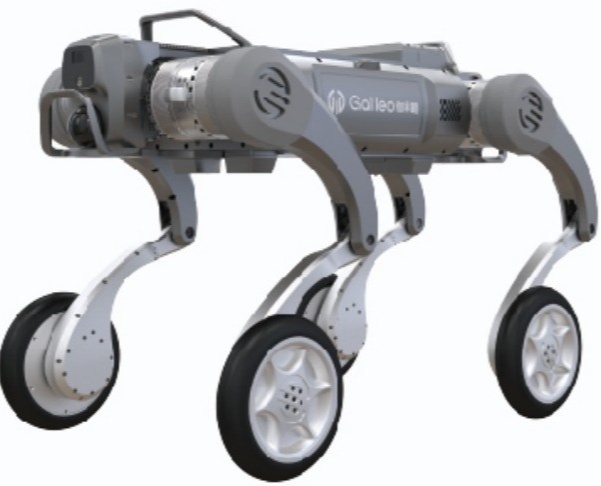
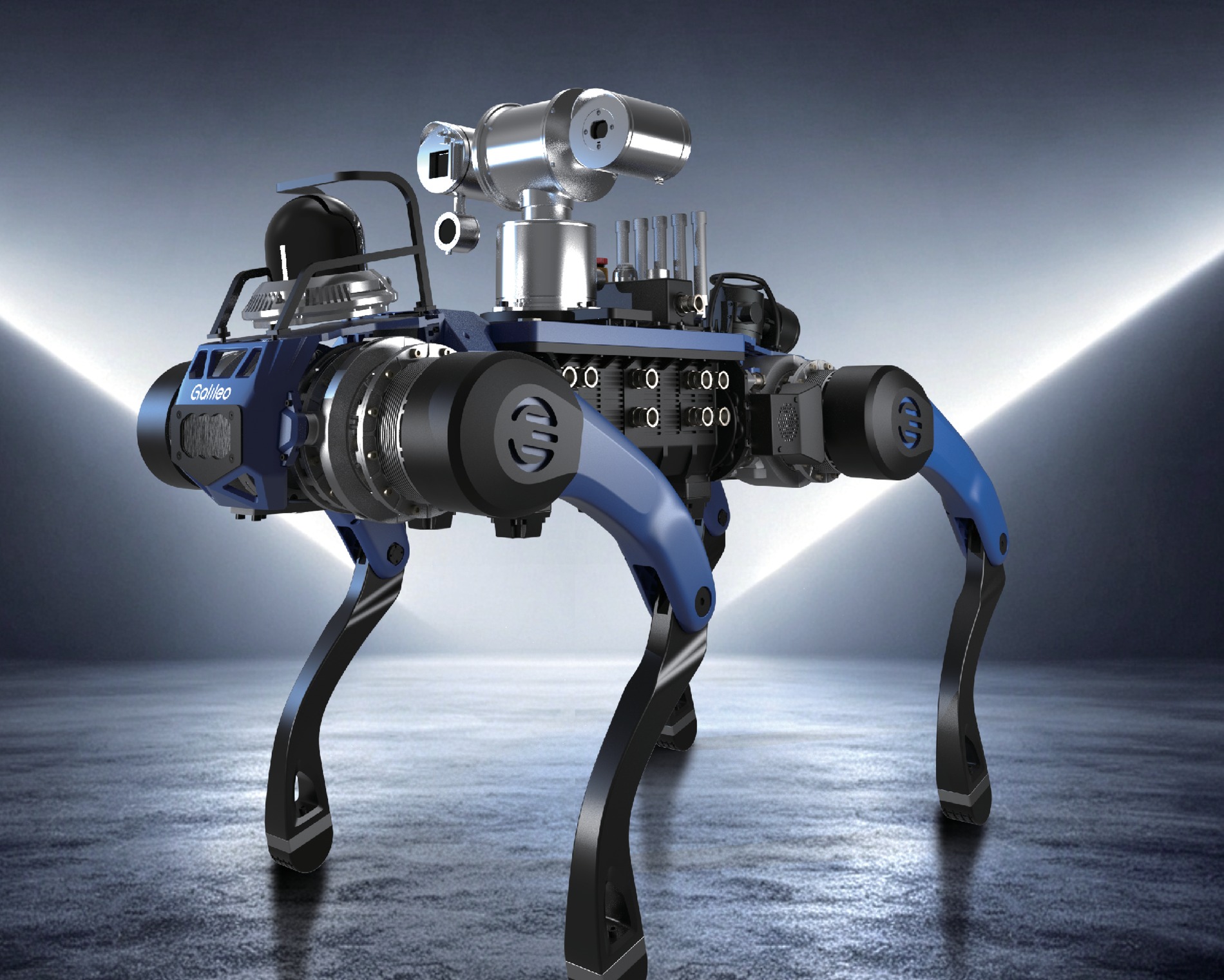
RESUMEN RÁPIDO
- Galileo Ex2 ofrece la mayor carga útil (100 kg frente a 30 kg).
- Galileo E1-W ofrece la mayor velocidad máxima (21.6 km/h frente a 5.4 km/h).
- Galileo Ex2 ofrece la mayor autonomía (420 min frente a 150 min).
- Galileo E1-W ofrece la estructura más ligera (60 kg frente a 120 kg).
COMPARACIÓN DE ESPECIFICACIONES
| Galileo E1-W | Galileo Ex2 | |
|---|---|---|
| Empresa | Galileo Technology | Galileo Technology |
| Categoría | Industrial-Robot | Industrial-Robot |
| Precio: | No anunciado | No anunciado |
| Peso | 60 kg | 120 kg |
| Carga útil | 30 kg | 100 kg |
| Grados de libertad | — | 12 |
| Velocidad | 21.6 km/h | 5.4 km/h |
| Autonomía de la batería | 150 min | 420 min |
| Conectividad | WiFi 6, optional 4G and 5G; Ethernet, USB and RS485 external interfaces | — |
| Software / IA | Autonomous navigation and obstacle avoidance with multi-sensor fusion | AI decision-making algorithms for real-time path planning, obstacle avoidance, target tracking and material transport; remote teleoperation |
Guías de compra y precios
PREGUNTAS FRECUENTES
¿Cuál es la diferencia entre Galileo E1-W y Galileo Ex2?
Galileo E1-W está fabricado por Galileo Technology, mientras que Galileo Ex2 está fabricado por Galileo Technology. Ambos pertenecen a la categoría «industrial-robot», por lo que las diferencias se reducen al precio y las especificaciones.
¿Cuál tiene mayor carga útil, Galileo E1-W o Galileo Ex2?
Galileo Ex2 tiene la mayor carga útil, con 100 kg, frente a 30 kg de Galileo E1-W.
¿Cuál es más rápido, Galileo E1-W o Galileo Ex2?
Galileo E1-W alcanza la mayor velocidad máxima, con 21.6 km/h, frente a 5.4 km/h de Galileo Ex2.
¿Cuál tiene mayor duración de batería, Galileo E1-W o Galileo Ex2?
Galileo Ex2 tiene la mayor autonomía, con unos 420 minutos, frente a unos 150 minutos de Galileo E1-W.