
Cobot Proxie vs RM500
Collaborative Robotics (Cobot) vs Peer Robotics — specs, price, and data-backed comparison.
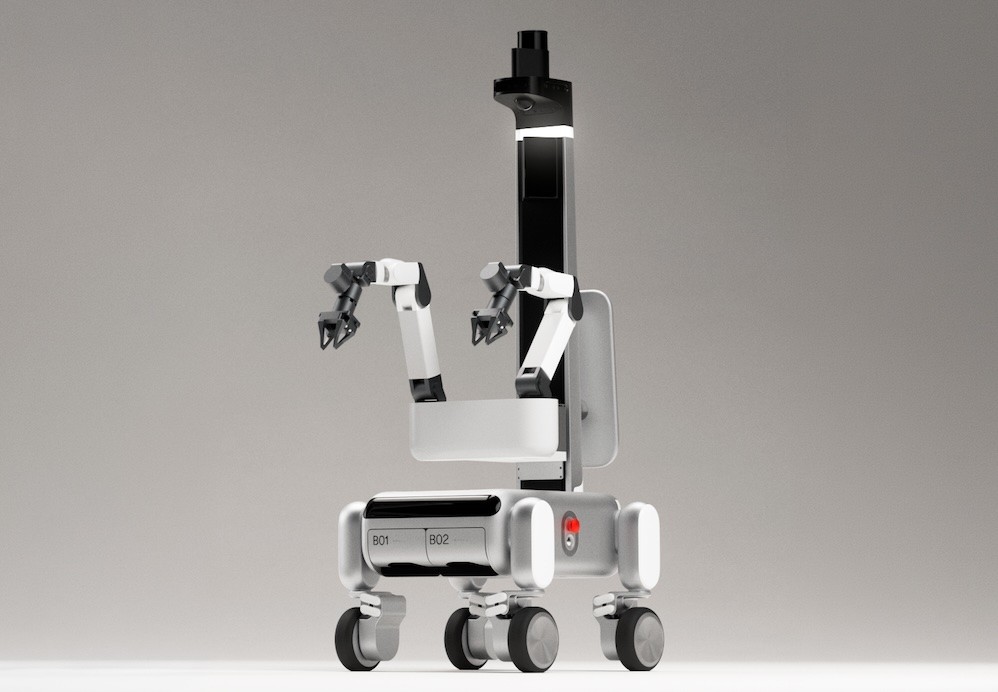
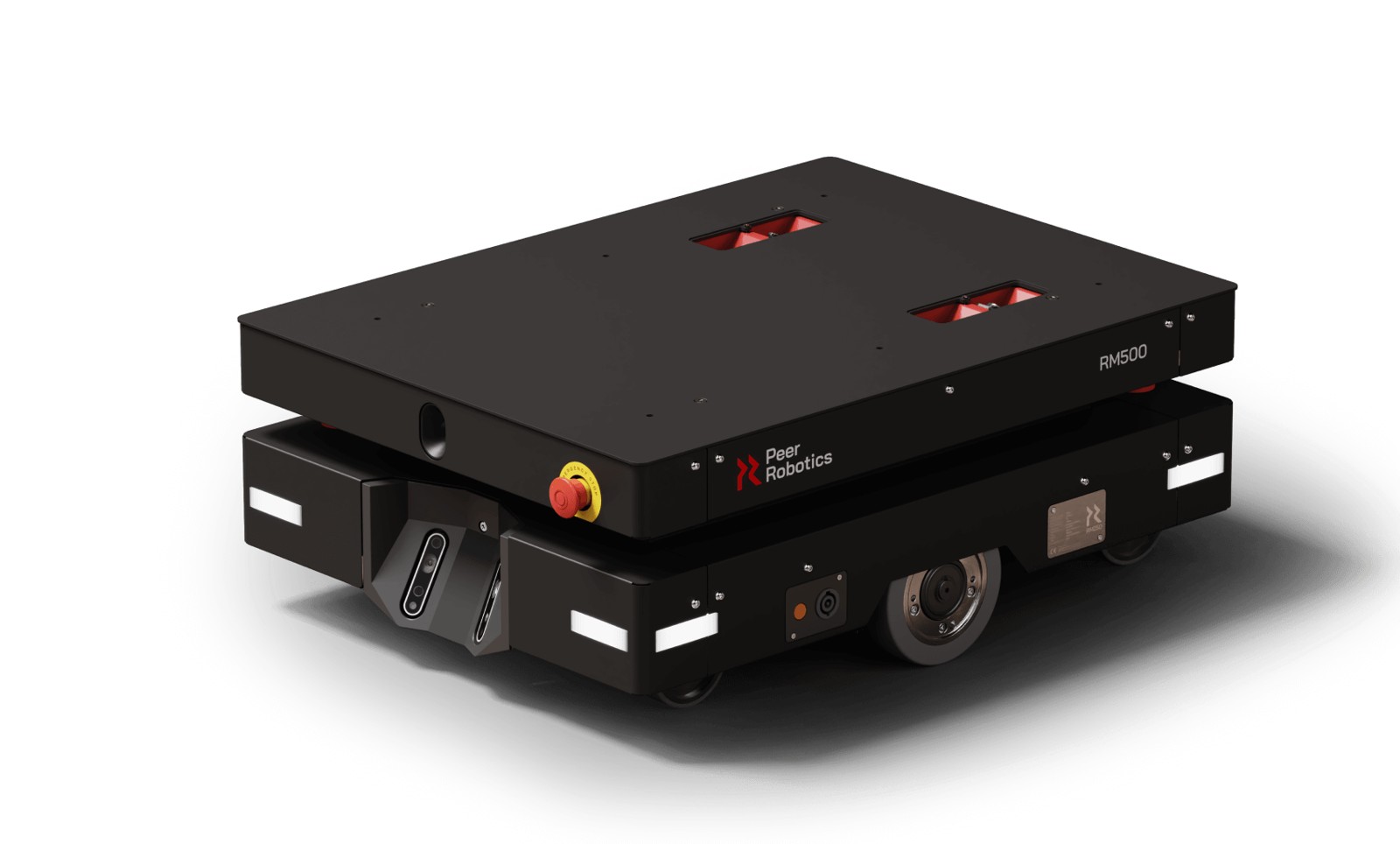
RESUMEN RÁPIDO
- RM500 ofrece la mayor carga útil (500 kg frente a 100 kg).
COMPARACIÓN DE ESPECIFICACIONES
| Cobot Proxie | RM500 | |
|---|---|---|
| Empresa | Collaborative Robotics (Cobot) | Peer Robotics |
| Categoría | Collaborative-Robot | Collaborative-Robot |
| Precio: | $5,000 | No anunciado |
| Lanzamiento: | 2024 | — |
| Peso | — | 86 kg |
| Carga útil | 100 kg | 500 kg |
| Velocidad | — | 5.4 km/h |
| Autonomía de la batería | Hot-swappable battery packs (self battery swap on Gen 2) | 480 min |
| Conectividad | — | Wi-Fi 802.11ax dual band; Gigabit Ethernet; USB 3.0; digital I/O |
| Software / IA | AutoTasking autonomous task identification; Vista fleet management (AWS); NVIDIA Isaac Sim / Omniverse NuRec digital twins | Peer Robotics dashboard; teach-by-demonstration navigation; API |
Guías de compra y precios
PREGUNTAS FRECUENTES
¿Cuál es la diferencia entre Cobot Proxie y RM500?
Cobot Proxie está fabricado por Collaborative Robotics (Cobot), mientras que RM500 está fabricado por Peer Robotics. Ambos pertenecen a la categoría «collaborative-robot», por lo que las diferencias se reducen al precio y las especificaciones.
¿Cuál es más barato, Cobot Proxie o RM500?
Cobot Proxie figura a $5,000; el precio de RM500 no se ha anunciado públicamente.
¿Cuál tiene mayor carga útil, Cobot Proxie o RM500?
RM500 tiene la mayor carga útil, con 500 kg, frente a 100 kg de Cobot Proxie.