
Perseverance Rover vs Trident
NASA vs OpenROV (QYSEA global operations) — specs, price, and data-backed comparison.
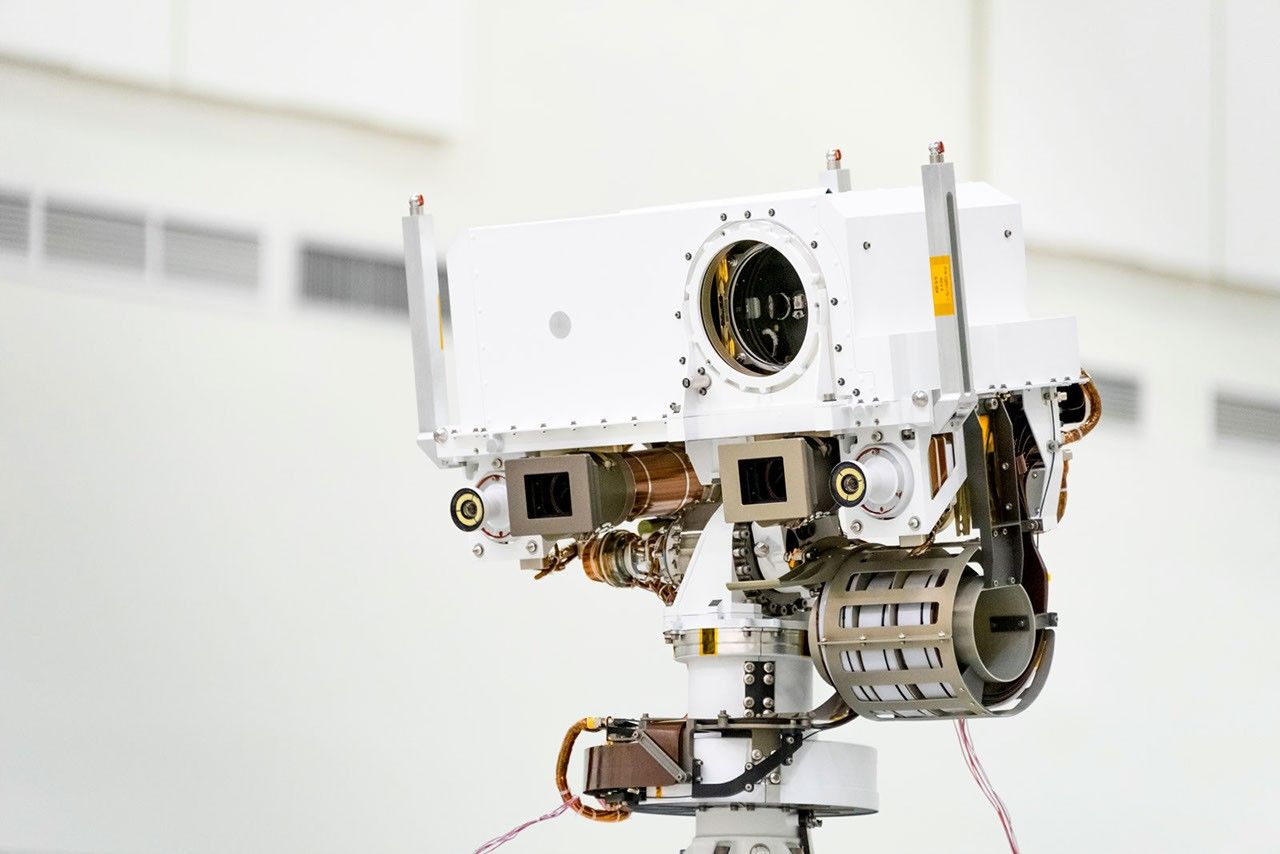
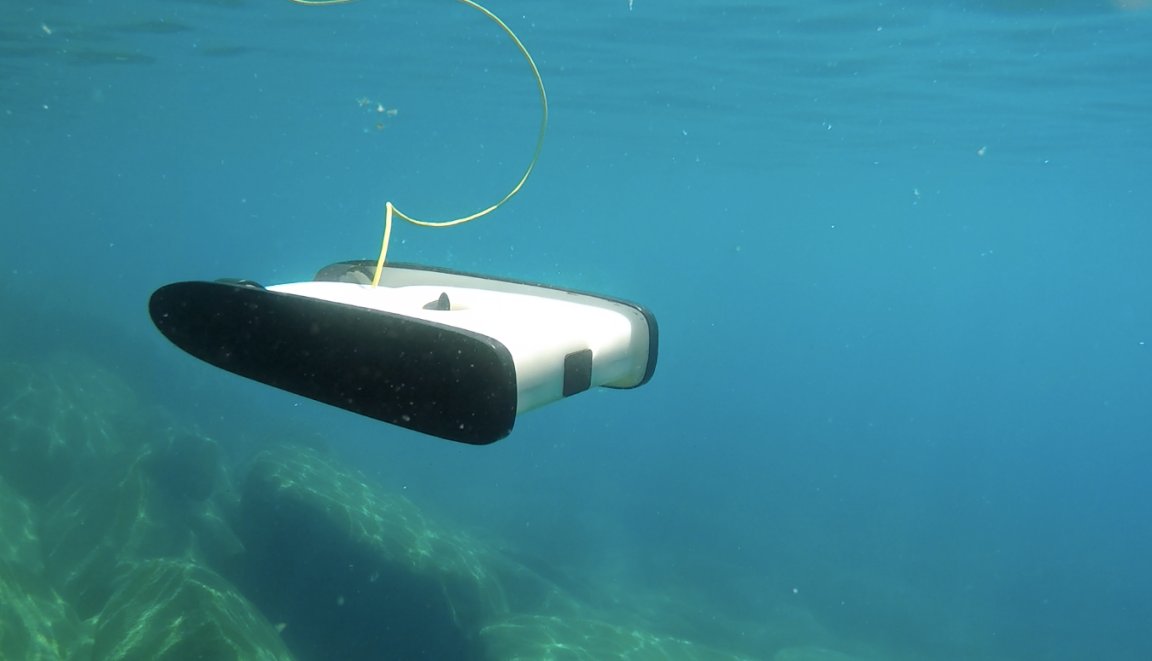
TECHNISCHE DATEN IM VERGLEICH
| Perseverance Rover | Trident | |
|---|---|---|
| Hersteller | NASA | OpenROV (QYSEA global operations) |
| Kategorie | Ground | Ground |
| Preis: | Nicht angekündigt | Nicht angekündigt |
| Veröffentlicht: | 2021 | — |
| Gewicht | 1,025 kg | ~3 kg |
| Freiheitsgrade | 5 | — |
| Geschwindigkeit | 0.15 km/h | — |
| Akkulaufzeit | Indefinite (nuclear-powered MMRTG, ~110W output) | ~3 hours |
| Ladezeit | — | ~2 hours |
| Konnektivität | UHF (~400 MHz) relay via Mars orbiters; X-band direct-to-Earth high-gain antenna; X-band low-gain antenna | Tethered Wi-Fi buoy system |
| Software / KI | VxWorks RTOS; autonomous navigation (AutoNav); terrain-relative navigation (TRN) | QYSEA underwater control app |
HÄUFIG GESTELLTE FRAGEN
What is the difference between the Perseverance Rover and the Trident?
Perseverance Rover is made by NASA, while Trident is made by OpenROV (QYSEA global operations). Both are grounds, so the differences come down to price and specifications.