
Galileo E1-W vs Strider M3
Galileo Technology vs Strider Robotics — specs, price, and data-backed comparison.
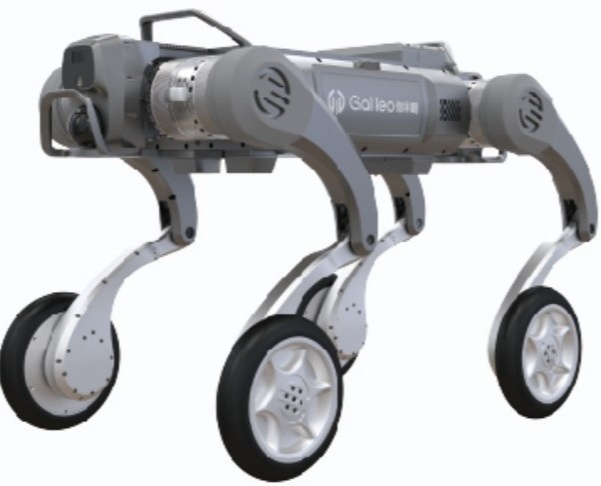
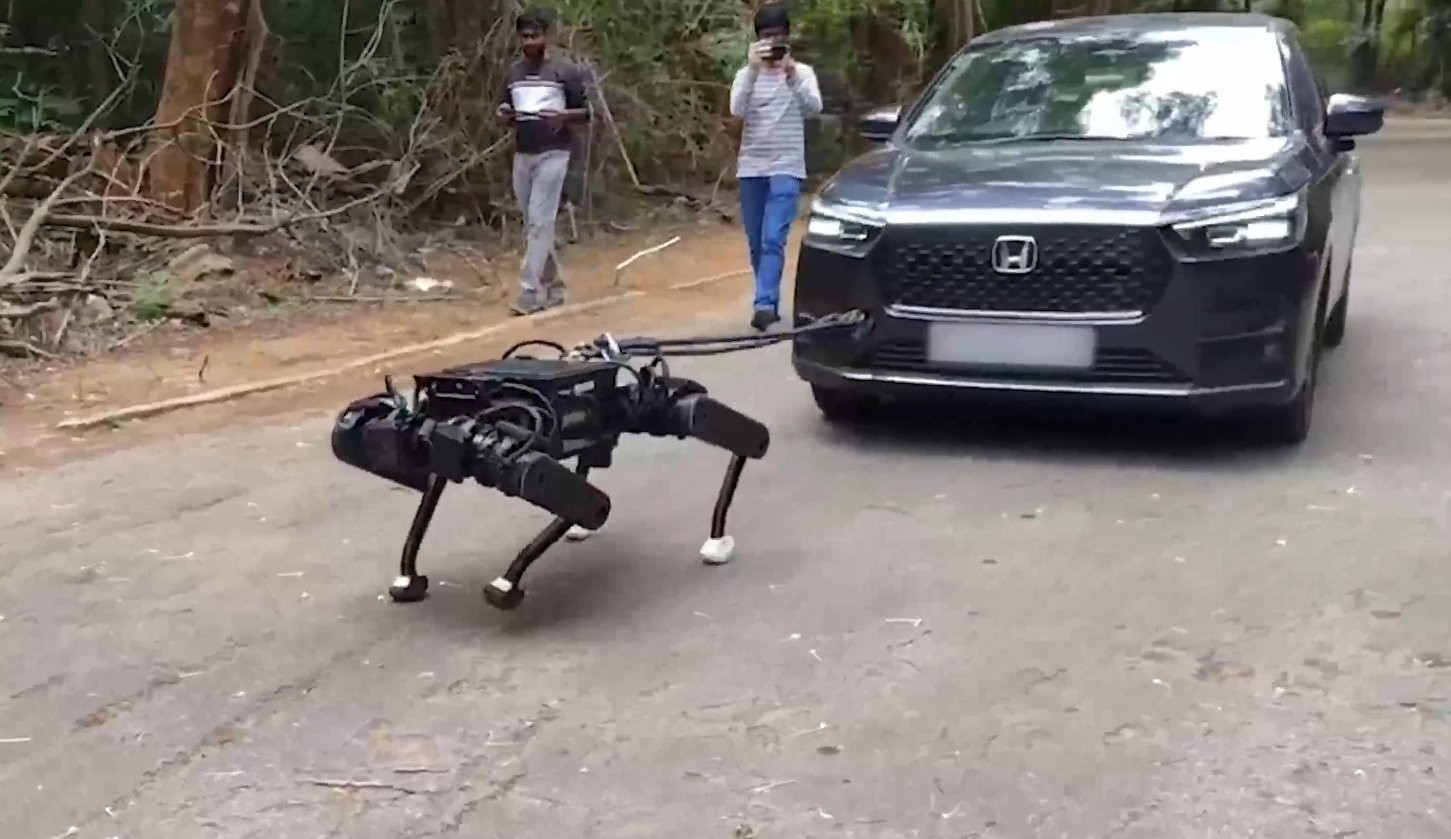
KURZFAZIT
- Galileo E1-W offers the higher payload (30 kg vs 20 kg).
TECHNISCHE DATEN IM VERGLEICH
| Galileo E1-W | Strider M3 | |
|---|---|---|
| Hersteller | Galileo Technology | Strider Robotics |
| Kategorie | Industrial-Robot | Industrial-Robot |
| Preis: | Nicht angekündigt | Nicht angekündigt |
| Gewicht | 60 kg | — |
| Traglast | 30 kg | 20 kg |
| Geschwindigkeit | 21.6 km/h | — |
| Akkulaufzeit | 150 min | — |
| Konnektivität | WiFi 6, optional 4G and 5G; Ethernet, USB and RS485 external interfaces | — |
| Software / KI | Autonomous navigation and obstacle avoidance with multi-sensor fusion | Strider AI stack for navigation, mission planning, asset monitoring and analytics |
Kaufberater und Preise
HÄUFIG GESTELLTE FRAGEN
What is the difference between the Galileo E1-W and the Strider M3?
Galileo E1-W is made by Galileo Technology, while Strider M3 is made by Strider Robotics. Both are industrial-robots, so the differences come down to price and specifications.
Which has the higher payload, the Galileo E1-W or the Strider M3?
The Galileo E1-W has the higher payload at 30 kg, compared to 20 kg for the Strider M3.