Who Pays When a Robot Hurts Someone? China's Insurers Already Answered.
China's insurers began writing dedicated humanoid robot policies in late 2025 while US carriers filed blanket generative-AI exclusions across commercial liability policies, a quiet but decisive edge in whose robots actually get deployed at commercial scale, with a real gap for buyers in between.

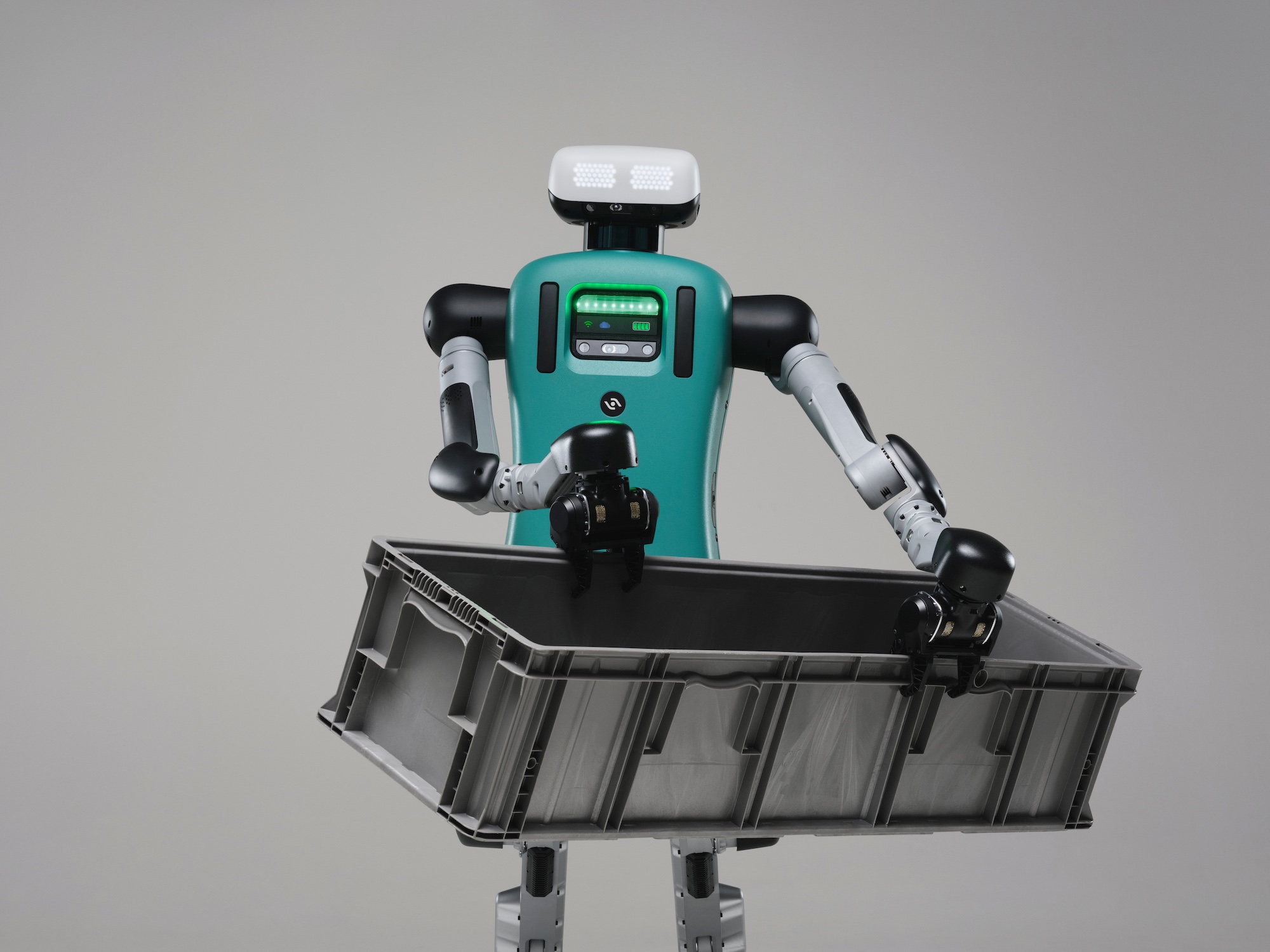
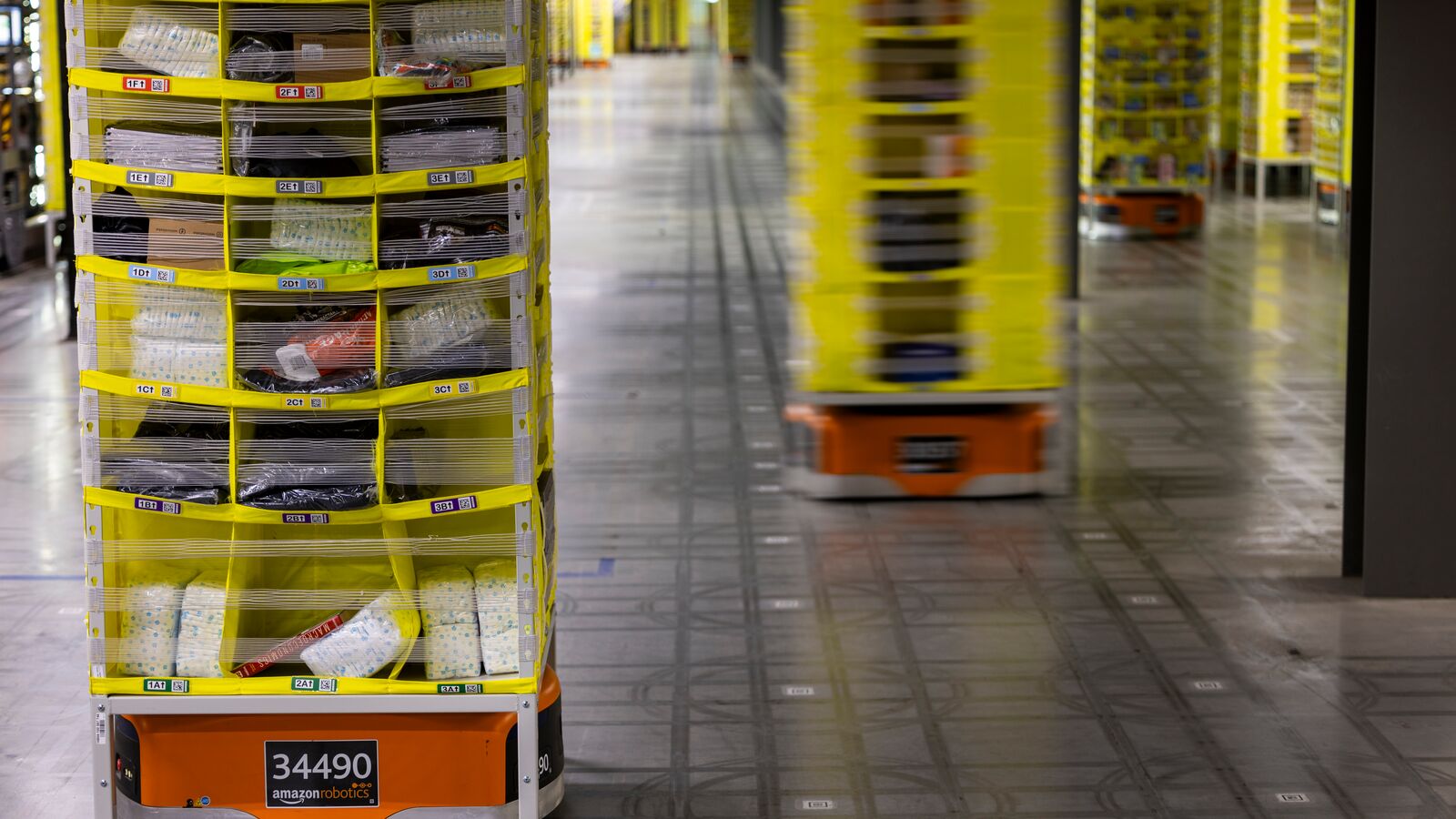
Picture the same mishap happening twice: a warehouse robot clips a forklift operator's foot during a shift change, once in a Shenzhen distribution center and once in a fulfillment center outside Dallas. Same task, same sensor suite, same startled operator. In one country, a claims adjuster already has a policy built for exactly this scenario. In the other, the operator's general liability carrier may have quietly excluded it from coverage months before the robot ever shipped.
That gap is the real story in robotics right now, and almost nobody selling the technology wants to talk about it. The industry's public argument is about models and chips: whose vision-language-action stack generalizes better, whose humanoid can fold a shirt without a script. The argument that actually determines whether a fleet gets deployed at scale is quieter and far less glamorous. It is whether anyone will underwrite it.
China's insurers moved first
China Pacific Insurance (CPIC) launched what it billed as the country's first dedicated commercial policy for humanoid robots in October 2025, covering the full chain from production and sale through leasing and daily use, with terms that can run by the day, week, or month rather than the standard annual cycle. PICC followed with coverage extending to system crashes triggered by cyberattacks and algorithmic faults, a first for the domestic robot-insurance segment. Ping An Property & Casualty went further still in January 2026, rolling out what it called the first policy built specifically for leased embodied robots, matching the pay-as-you-use financing model that most commercial humanoid deployments now run on.
None of this required a smarter robot. It required an insurer willing to write a number on a page.
America wrote robots out by default
Contrast that with the United States, where the industry's own policy-form bureau spent 2025 moving in the opposite direction. The Insurance Services Office published a set of generative-AI exclusion endorsements in July 2025, with a January 2026 edition date, broad enough to carve "bodily injury" or "property damage" arising from AI-driven systems out of standard commercial general liability policies. By the end of July, carriers had filed those exclusion forms in 49 states and the District of Columbia, more than four thousand filings, with over two thousand already in force. A fulfillment operator running an AI-driven picking robot today may be covered for a forklift accident and explicitly not covered for the AI-driven one, under the same policy, purchased from the same carrier.
That is not a technology gap. It is a plumbing gap, and it is arguably a bigger constraint on deployment speed than any benchmark result.
Why the split happened where it did
Underwriting is an actuarial business before it is a philosophical one. Insurers price risk they can measure, and the raw material for measurement is claims history: hours of operation, incident rates, repair costs, the shape of the tail. The International Federation of Robotics' World Robotics 2025 report puts China at 295,000 new industrial robot installations in 2024, 54 percent of the global total, with Asia as a whole accounting for 74 percent of new deployments worldwide. For the first time, domestic Chinese suppliers outsold foreign manufacturers inside China itself, taking 57 percent of the home market. That is not just manufacturing scale. It is loss-data scale, accumulating fastest exactly where the insurance products are emerging fastest. A market carrying most of the world's operating hours has an obvious head start on pricing what those hours actually cost when something goes wrong.
The American market has the opposite problem, and it is a structural one, not a matter of underwriter nerve. EY's insurance consulting lead for the Americas, Chris Raimondo, has described the shift ahead as one "from pricing, evaluating, and managing risk around human operators to system-centric... liabilities," where a single incident's exposure can span the hardware manufacturer, the AI software platform, and the commercial owner simultaneously. Three parties, three sets of lawyers, one incident. Exclude the AI piece and the fight over who pays never has to happen inside your policy. It is a rational response to genuine uncertainty. It is also a de facto tax on deployment speed, paid by whichever operator wants coverage that actually pays out.
The head start nobody should fully trust
There is a real tradeoff hiding inside China's lead, and it deserves more scrutiny than the trade press it is currently getting. A first-mover insurance product built on a few months of operating history is a product built on thin data. Early cyber-insurance pricing in the 2010s looked disciplined too, right up until ransomware losses forced insurers to rewrite terms and yank capacity from the market within a few underwriting cycles. A robot-liability book written in October 2025 on a handful of quarters of fleet data carries the same risk: underpricing a tail event nobody has seen yet, then repricing hard once one shows up. Faster to market is not the same as more sound.
What this looks like from an ASEAN buyer's seat
I watch this from the buyer's side of the table more than the underwriter's, running an industry data platform out of the Philippines rather than out of Boston or Beijing. From here, the practical problem is neither China's product innovation nor America's exclusion language. It is that a buyer in most of ASEAN is covered by neither. A distribution center in Manila or Ho Chi Minh City deploying an imported humanoid or AMR fleet today is typically working with whatever general commercial policy its broker can source locally, almost certainly without a robotics-specific rider and quite possibly carrying the same blanket AI carve-out that a US carrier would write, simply because the reinsurance capacity behind that local policy runs through the same global markets.
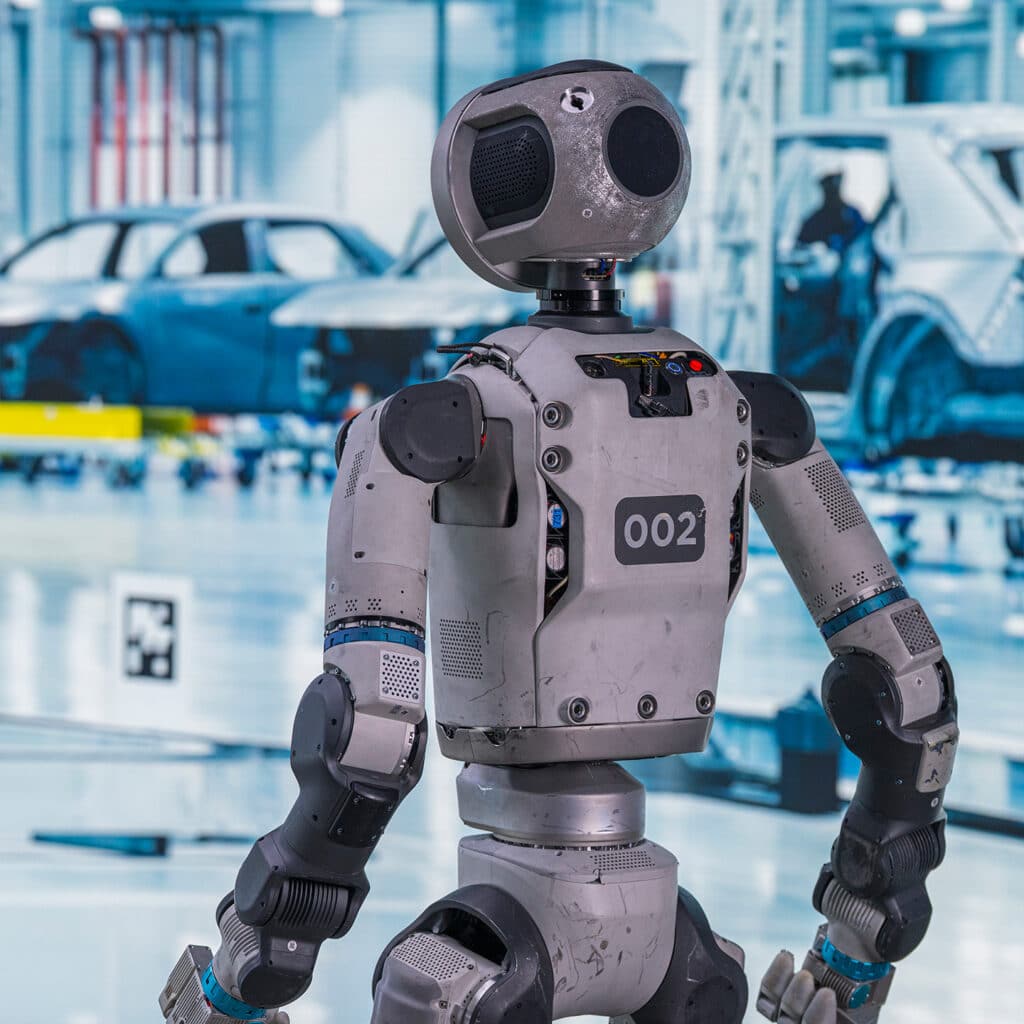
What to actually check before signing a deployment contract, if you are the one holding the risk rather than reading about it: whether the vendor's own product liability coverage extends to autonomous decision failures or only to manufacturing defects; whether your own general liability policy carries an AI or robotics exclusion your broker never flagged; and whether the leasing structure you are being offered, increasingly the default for humanoid fleets such as Agility Robotics' Digit in North American warehouses, actually transfers operational liability to the lessor or merely transfers the hardware. Ping An's own product only had to answer that question for robots leased inside China. Nobody has written the equivalent answer for a Digit unit leased into a Philippine or Vietnamese distribution center yet.
The compute race will keep generating headlines because it is legible and dramatic. The insurance race will keep deciding who actually gets to run robots at commercial scale, quietly, one policy filing at a time. Watch the underwriters, not the demo reels. They are pricing the industry's real risk months before the rest of us notice it exists.
Disclaimer: This article is for general information purposes only and does not constitute investment, legal, or procurement advice. Readers should verify details with primary sources before making business decisions. Hero image: Agility Robotics, from its official press materials for the Digit humanoid.