
CETC Wheel-Legged Security Inspection Robot vs Seasats Lightfish
CETC Robotics vs Seasats — specs, price, and data-backed comparison.
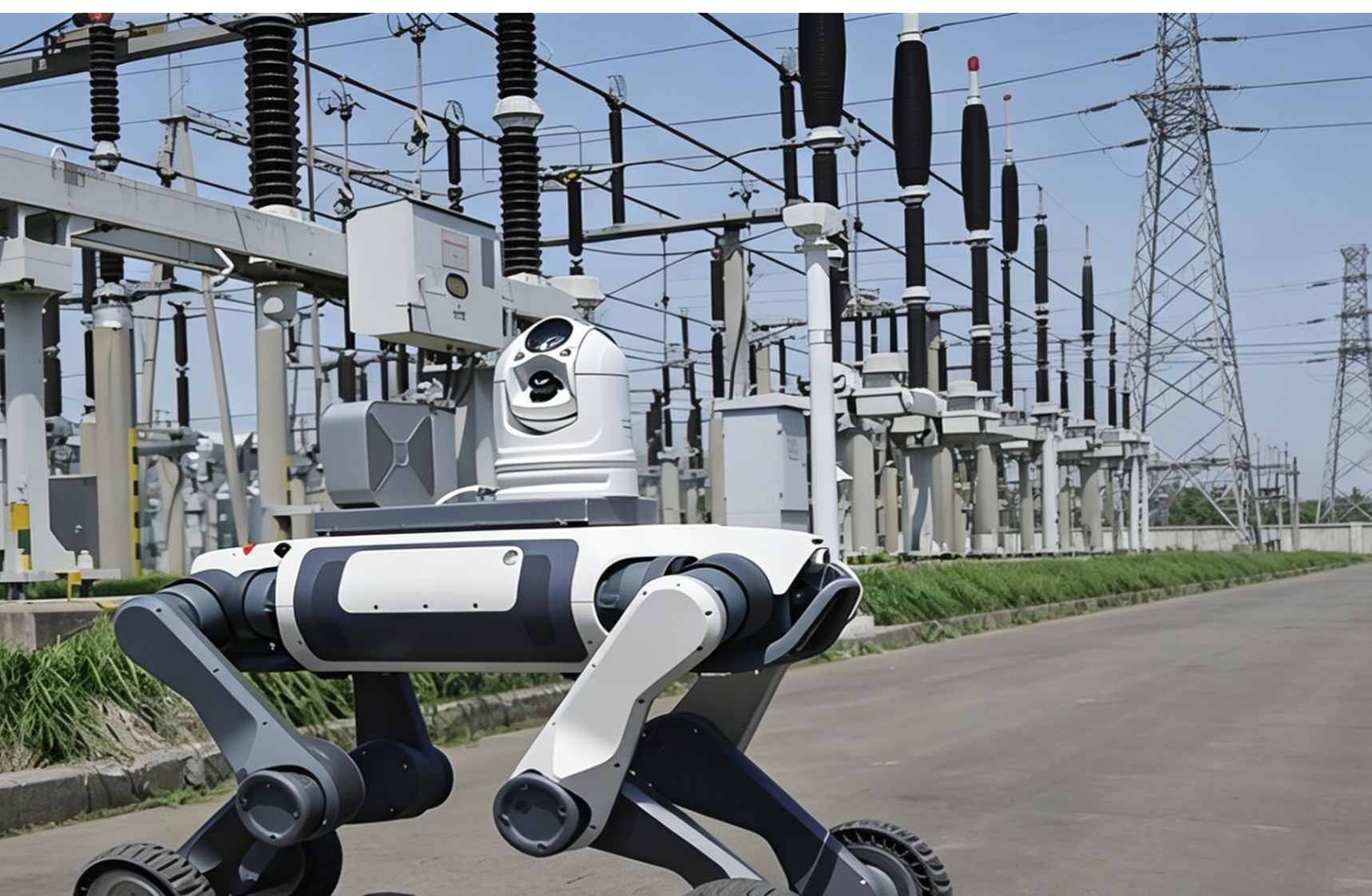
CETC Wheel-Legged Security Inspection Robot
CETC Robotics
Não divulgado
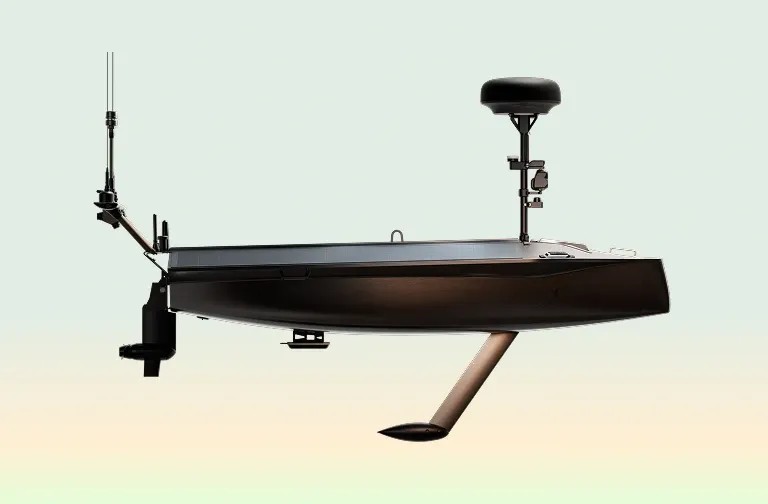
Seasats Lightfish
Seasats
Não divulgado
RESUMO RÁPIDO
- Seasats Lightfish oferece a maior carga útil (29.9 kg contra 15 kg).
- Seasats Lightfish oferece a maior velocidade máxima (9.25 km/h contra 7.2 km/h).
- CETC Wheel-Legged Security Inspection Robot oferece a construção mais leve (33 kg contra 138 kg).
COMPARAÇÃO DE ESPECIFICAÇÕES
| CETC Wheel-Legged Security Inspection Robot | Seasats Lightfish | |
|---|---|---|
| Empresa | CETC Robotics | Seasats |
| Categoria | Security | Security |
| Preço: | Não divulgado | Não divulgado |
| Lançamento: | — | 2023 |
| Peso | 33 kg | 138 kg |
| Carga útil | 15 kg | 29.9 kg |
| Velocidade | 7.2 km/h | 9.25 km/h |
| Autonomia da bateria | 180 min | Up to 6 months on station (solar-electric with hybrid reserve) |
| Conectividade | 24 V / 72 V power interface, fibre optic port, USB 3.0 | Iridium and Starlink satellite communications; AIS; C2 interoperable |
| Software / IA | Anomaly-understanding perception trained on large volumes of field data; smart scheduling by cycle and priority; 3D path planning with real-time monitoring; automatic task triggering from third-party alarm systems | Onboard AI for edge processing and target classification; collision avoidance; GPS-denied navigation |
Guias de compra e preços
PERGUNTAS FREQUENTES
Qual é a diferença entre o CETC Wheel-Legged Security Inspection Robot e o Seasats Lightfish?
CETC Wheel-Legged Security Inspection Robot é fabricado pela CETC Robotics, enquanto Seasats Lightfish é fabricado pela Seasats. Ambos são da categoria security, então as diferenças se resumem a preço e especificações.
Qual tem a maior carga útil, o CETC Wheel-Legged Security Inspection Robot ou o Seasats Lightfish?
O Seasats Lightfish tem a maior carga útil, com 29.9 kg, contra 15 kg do CETC Wheel-Legged Security Inspection Robot.
Qual é mais rápido, o CETC Wheel-Legged Security Inspection Robot ou o Seasats Lightfish?
O Seasats Lightfish tem a maior velocidade máxima, com 9.25 km/h, contra 7.2 km/h do CETC Wheel-Legged Security Inspection Robot.