UBTECH's U1 Launch Tests the Economics of the Humanoid Companion Market
UBTECH launched its UWORLD U1 companion humanoid robot from RMB 119,800 with a target of 10,000 deliveries this year, a volume that would fundamentally change its revenue and its path to profitability.
The commercial case for humanoid robots has mostly been argued in factories and warehouses, where a machine either lowers labor cost or it does not. UBTECH is now testing a very different proposition, which is that consumers will pay automotive-level prices for companionship.
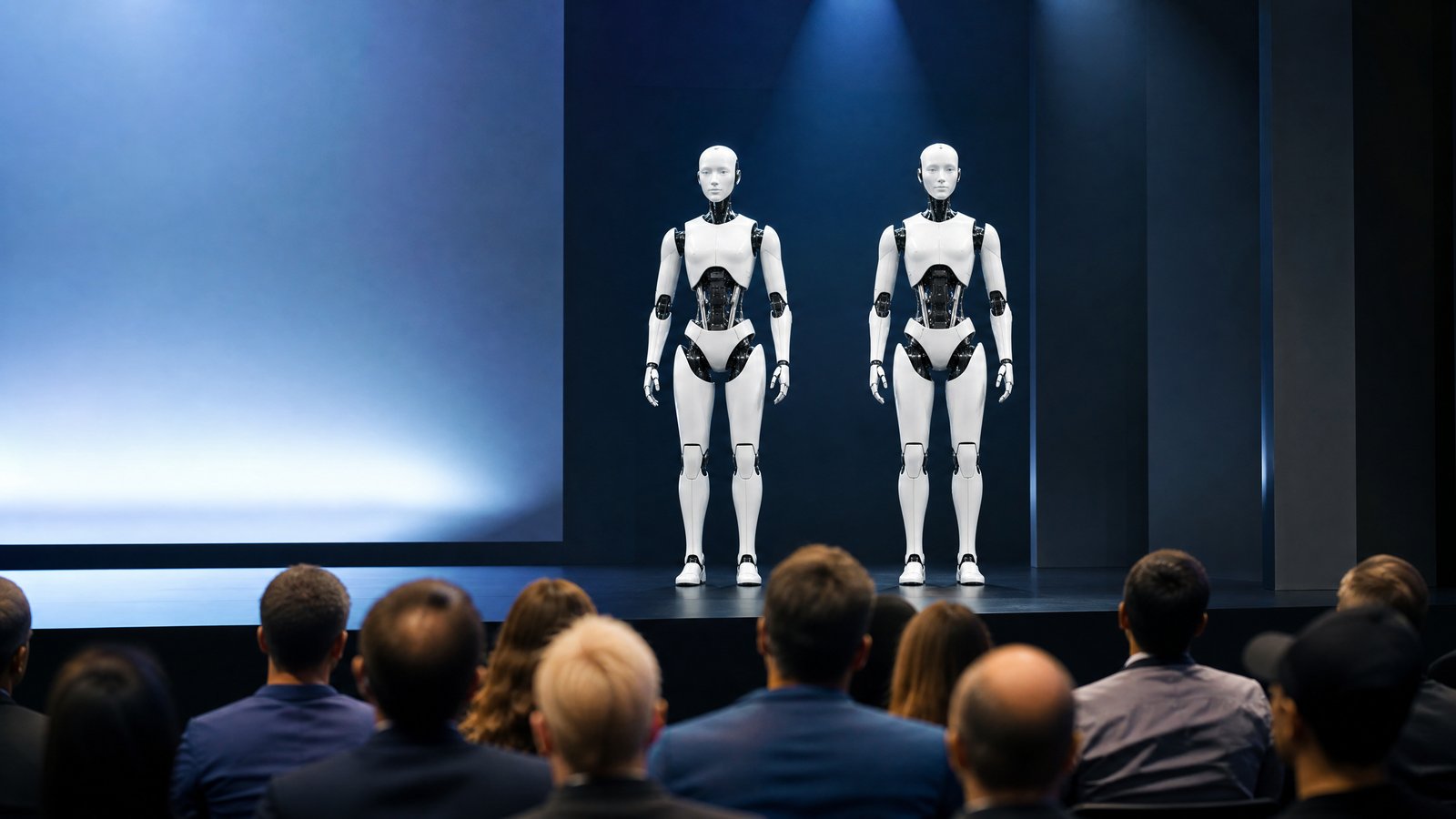
Through a new sub-brand called UWORLD, the company formally launched its U1 series on June 30, featuring two full-size bionic models, a male unit named Lingye and a female unit named Xiaoyou. Prices range from RMB 119,800 to RMB 990,000, and the company has set a target of delivering 10,000 units this year.
The central point is that the U1 series is not merely a new product. For a company carrying heavy accumulated losses, it is a direct test of whether the emotional companion market can generate the volume and margin that industrial humanoids have so far struggled to deliver.
What Happened
At the launch event, UBTECH disclosed that pre-orders had already exceeded 10,000, with a specific figure of 13,361 units cited by brand executives. Pre-sales opened on June 2, and the reported order count climbed from over 5,000 before the event to the 13,361 figure announced on stage. Deliveries are scheduled to begin on September 16, and the company said it has built a new factory in Shenzhen specifically to meet the delivery commitment.
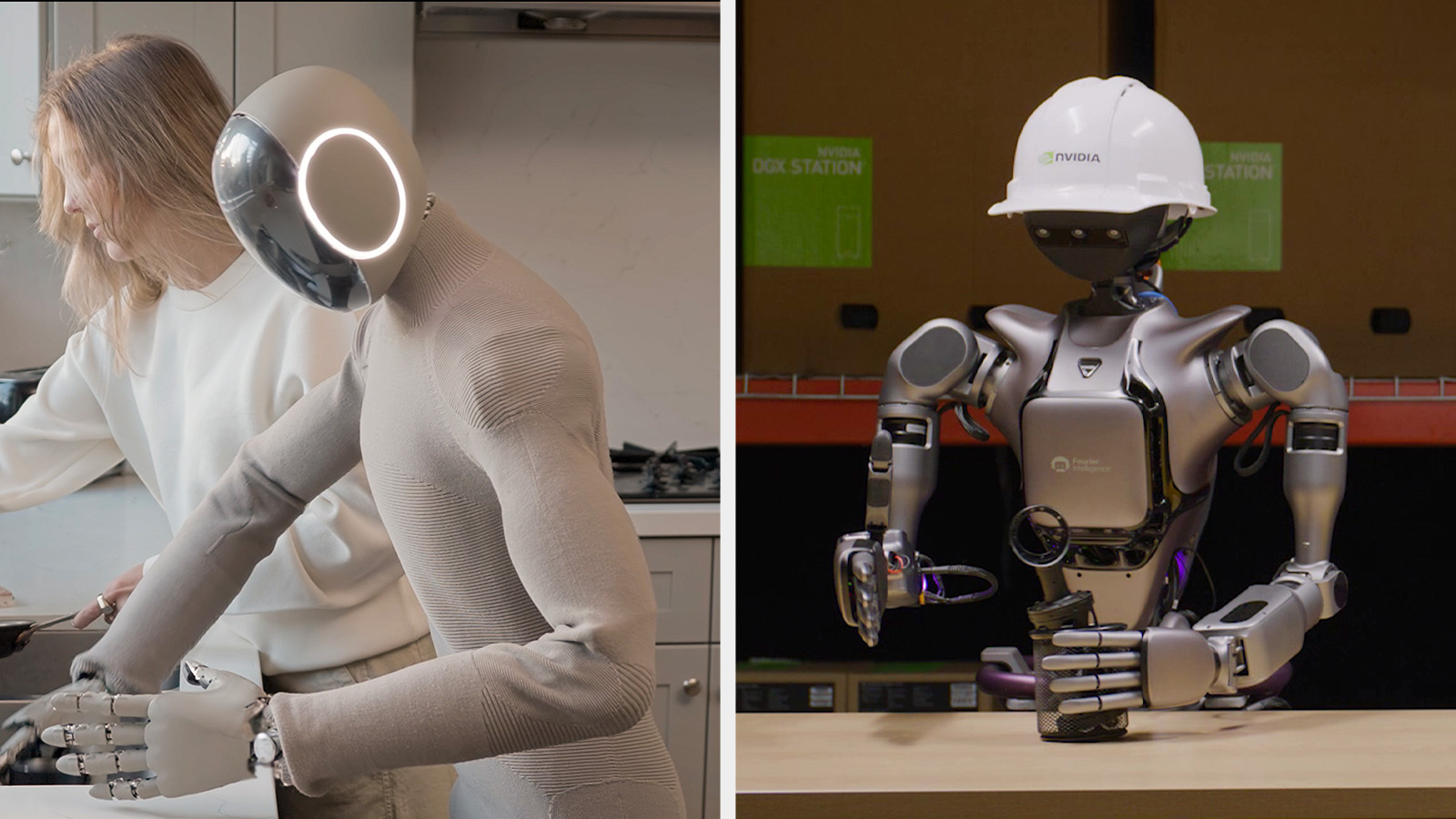
The positioning is explicitly emotional. The two models are designed around companionship rather than industrial utility, and the brand chose a launch identity tied to the sentiment of the date, leaning into the idea of the robot as a presence in the home rather than a tool on a production line.
The Financial Math of Companionship
The delivery target is the most demanding part of the plan. In 2025, UBTECH delivered 1,079 full-size bionic units. Reaching 10,000 units within a single year requires nearly a tenfold increase in output, which explains the investment in a dedicated Shenzhen facility.
The revenue implications clarify why the company is willing to make that bet. If UBTECH hits the 10,000-unit target selling only the entry-level model at RMB 119,800, the line would generate about RMB 1.198 billion in revenue. That single product would equal more than half of the company's entire 2025 revenue of RMB 2.001 billion. Against a 2025 net loss of RMB 790 million, and cumulative losses exceeding RMB 4.2 billion since 2022, the U1 series is best understood as a path toward reducing losses and potentially reaching annual profitability, not simply as a new consumer gadget.
There is also a valuation dimension. UBTECH's Hong Kong listing has been valued primarily on its higher-margin industrial humanoid business and its full-stack in-house patents. A successful consumer line would broaden the revenue base and change the story investors tell about the company's addressable market.
Market Reaction and Competitive Pressure
The public market response to the launch was positive. On the day of the announcement, UBTECH's Hong Kong-listed shares, trading under the code 09880.HK, rose more than 7.4 percent to close at HK$102.8, indicating that investors currently accept the order figures as credible.
The competitive picture is less comfortable. The consumer humanoid field is filling quickly. Unitree holds mature whole-body motion control technology, AgiBot has equipped its Lingxi X2 humanoid with an emotion computing engine aimed at care and companionship, and Songyan Power recently auctioned its Xiaoyue bionic robot for more than RMB 110,000. Analysts cited in Chinese coverage have estimated very large potential demand for companion robots among both elderly and younger demographics, which is precisely the kind of prize that invites aggressive entrants and eventual price competition.
Explaining It Simply
UBTECH has started selling life-size humanoid robots designed to keep people company, with the cheapest version priced like a car. It says more than 13,000 people have already ordered one, and it wants to deliver 10,000 this year. If it succeeds, that single product could bring in more money than half of everything the company sold last year, which is why the launch matters so much for a business that has been losing money.
The Execution Imperative
The core risk is not demand but manufacturing. Turning strong pre-orders into 10,000 delivered, reliable, full-size bionic robots by year-end is an operational feat that no company in this category has yet demonstrated at this scale. If competitors with industrial manufacturing depth decide to enter the companion segment with tiered pricing, UBTECH's early lead and its margins could both come under pressure.
The U1 series will therefore be judged not by the size of its pre-order book but by delivered units and gross margin. The companion robot market has been validated by early buyers, and the decisive test now is whether UBTECH can manufacture at the promised volume without eroding the economics that make the bet worthwhile.
Disclaimer: This article is provided for general informational purposes only and does not constitute investment, procurement, or legal advice. Readers should independently verify figures, specifications, and claims before making business decisions.
Primary Sources
OFWeek Robot (阿尔法工场), coverage of the UWORLD U1 launch (July 1, 2026): https://robot.ofweek.com/2026-07/ART-898890-8420-30692826.html