July 2026 Robot Economics Wrap-Up: The Human Layer Sets the Price
July 2026 exposed the missing line item in robot cost models: the negotiated human layer. Hyundai's wage reform talks, a paused 57,590 dollar school robot pilot in New York, Washington state's bounded delivery permits, and a Texas shipyard promising 10,000 jobs around its robots all show deployment economics being decided by labor contracts, permits, and community approval rather than sticker prices. Unit costs kept falling in July while the cost of permission kept rising, and the second curve is now the one buyers need to model.
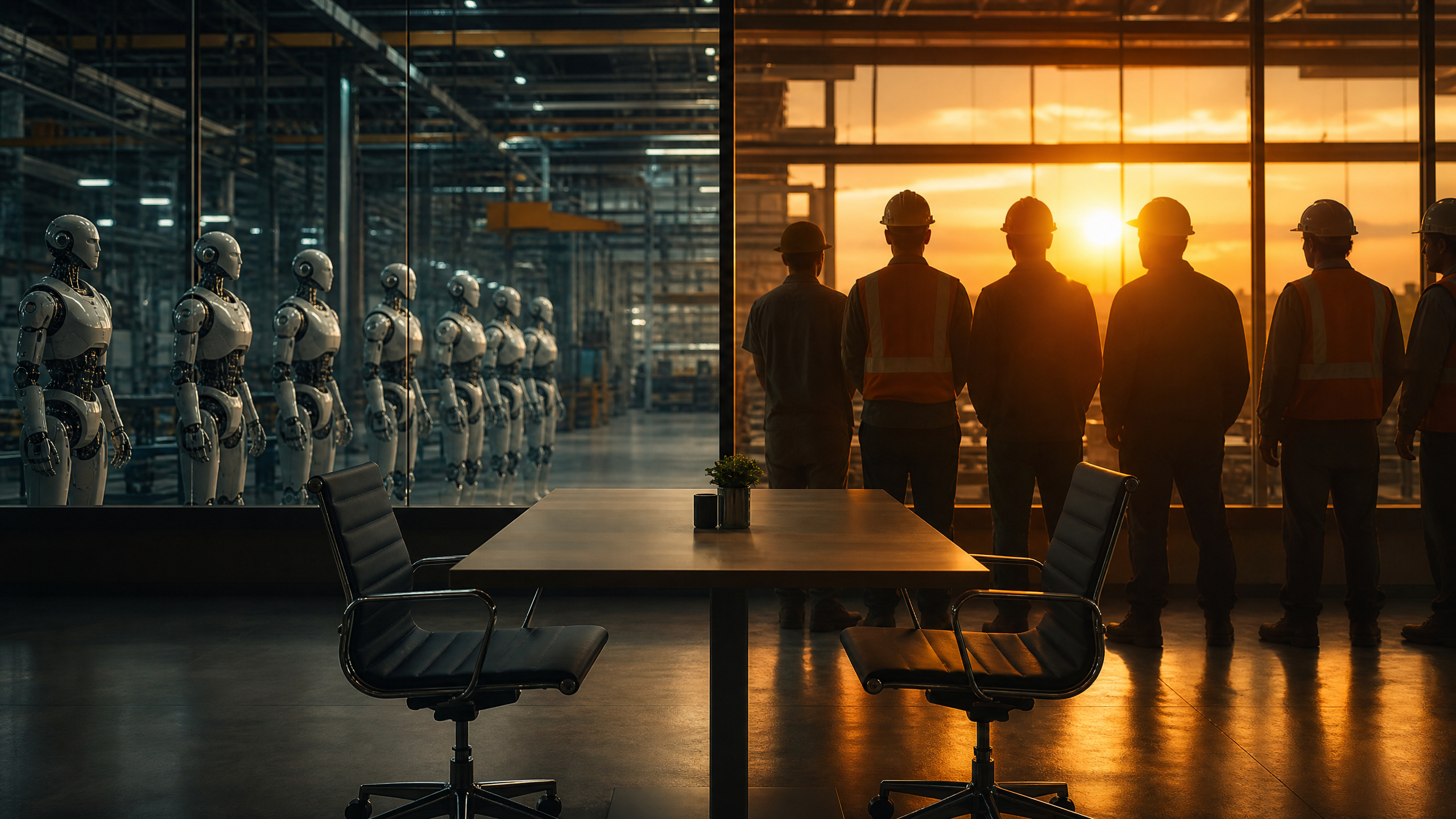
A humanoid robot can be bought in July 2026 for less than the price of a mid-range car, and yet the month's most expensive robotics events had no sticker price at all. Unitree sells its G1 for between 13,500 and 16,000 dollars. Matrix Robotics launched its MATRIX-3 humanoid at 580,000 yuan with cumulative orders it states are approaching 1,000 units. A home robot can be reserved for 20,000 dollars flat or 499 dollars a month. Against those falling numbers stands the world's largest auto plant, partially shut by workers striking over machines that have not yet arrived, and a small New York school district that paused a robot costing 57,590 dollars because the community around it said no. The tension defines the month: hardware prices are collapsing toward commodity levels while the price of permission, the negotiated human layer of wage agreements, permits, and social license, is rising and remains almost entirely unmodeled.
The First Labor Contract of the Robot Era Is Being Written in Ulsan
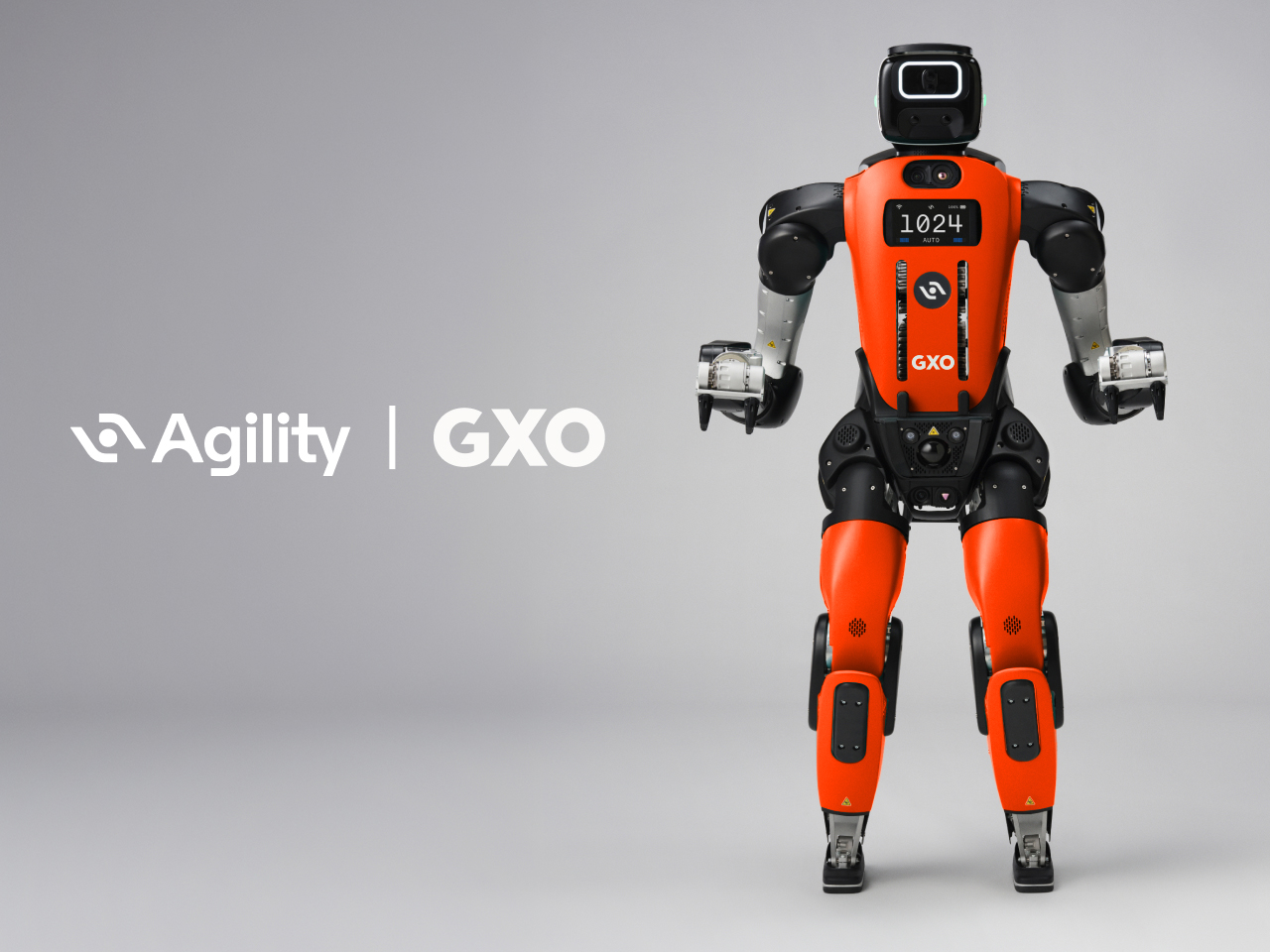
Hyundai Motor's dispute with its Korean union became July's clearest demonstration that robot economics are labor economics. The union struck at the Ulsan complex after months of escalation that began in January, when it warned management that not a single robot using new technology would enter the workplace without labor-management agreement. The company maintains that its humanoid plan, which begins with Atlas robots performing parts sequencing at its Georgia plant in the United States from 2028, is not part of the current negotiations, and describes the union's demands as compensation issues: wage increases, bonuses, and retirement age extension. The union's own framing is broader, seeking to enshrine job protections for the era of robots and AI. Between those positions sits the proposed wage reform now under joint review, which would convert hourly overtime and night-shift allowances into fixed wages, giving factory workers income stability even after humanoid deployment changes shift structures. Analysts caution the overhaul could cost productivity. That caution is the point: the productivity gain a humanoid promises on a spreadsheet is being partially traded away in advance, through a wage structure designed to make the deployment socially survivable. Whatever number Hyundai eventually books as the cost of an Atlas unit, the true deployment cost will include a wage reform negotiated years before the first robot clocks in, and Korean law, which obliges employers to consult workers before automation, makes that sequencing a template rather than an exception.
The Ulsan sequence also rewrites the vendor pitch. Every humanoid maker selling into automotive now knows that its true customer is not only the manufacturing executive who signs the purchase order but the works council or union local that can stop the deployment cold. Vendors who can arrive with a labor-integration playbook, retraining commitments, and deployment sequencing that unions have previously accepted will carry a premium that never appears on a specification sheet. The industry has priced reliability, payload, and battery life for years. July suggests the next differentiating specification is deployability inside a unionized plant, and no benchmark measures it yet.
Permission Has a Price, and July Put Numbers on It
The Salamanca City Central School District in western New York supplied the month's most precise data point. Its 57,590 dollar pilot with Realbotix, the Las Vegas company that builds silicone-skinned conversational humanoids and had positioned the robot named Sally as America's first robot teaching assistant, was placed on hold on July 24 after parental backlash, union opposition, and a letter from the state education commissioner. The hardware worked. The contract was signed. What failed was the social license, negotiated not in a boardroom but across school board meetings and community pressure, and the district's cost for discovering this was the full contract value plus a lost school year of the program. Education had been projected as a major deployment frontier for social humanoids; July's evidence is that its gatekeepers charge more than its customers.
Salamanca's numbers reward closer reading because every element of the deployment was done by the book. The district ran a procurement process, the vendor delivered working hardware, the pilot had an educational rationale, and the price was modest against a school technology budget. What no line item covered was the sequence of community meetings, union statements, and regulatory correspondence that followed the announcement, and that sequence proved decisive within weeks. Buyers in education, healthcare, and public services should read the case as a costing instruction: the stakeholder process is not a soft risk to be managed after purchase but a hard budget line that belongs in the total cost of ownership before the contract is signed.
Washington state's delivery robot permits told the same story in regulatory form, granting operators bounded fleet authorizations that cap expansion regardless of unit economics. GM began grading its suppliers on automation maturity, converting a private capability into a procurement gate that suppliers must now invest against to keep contracts. The Federal Communications Commission fined a robotaxi operator for interference issues, a reminder that spectrum compliance is part of fleet cost. Even the month's most robot-friendly project priced the human layer explicitly: Saronic, the Austin defense technology company building Port Alpha, its robot-first autonomous shipyard in Brownsville, paired its Samsung Heavy Industries automation partnership with a public commitment to 10,000 human jobs created from zero. The jobs pledge is not philanthropy. It is the purchase price of political permission for the most automated shipyard in the western hemisphere, paid in advance and denominated in employment.
Falling Unit Prices Meet Rising Utilization Questions
None of this stopped the hardware price curve from falling. The 1X home robot's 499 dollar monthly subscription and its 10,000 pre-orders inside five days are the consumer edge of a broader repricing, with vendors converting capital costs into operating costs to widen the buyer pool. Astribot's launch-day shipments of a wheeled humanoid from 89,900 yuan earlier in the month set an aggressive fleet-entry price in commercial service. At the industrial end, Tesla's capital expenditure jumped 142 percent as it pivoted spending toward robots, while its first Optimus production units flowed into an internal training academy rather than customer sites, an admission that the constraint on returns is not production capacity but the accumulated skill hours that make a robot worth its price. UBTech's founder said publicly in July that deployed humanoids reach roughly half the efficiency of human workers. At half efficiency, a robot priced like a car still needs the labor negotiation, the permit, and the community approval to survive long enough for its software to close the gap.
The subscription shift interacts with the permission layer in a way that deserves attention. When a robot is sold, the buyer owns the deployment risk; when it is subscribed, the vendor retains it, including the risk that a permit lapses, a community objects, or a labor agreement forces removal. A 499 dollar monthly contract on a home robot or a fleet lease on commercial machines quietly transfers social-license exposure onto vendor balance sheets, and no vendor has yet disclosed how it reserves against it. As subscription models spread from homes to schools, hospitals, and municipal fleets, the sector is accumulating an unpriced liability that will surface the first time a jurisdiction orders subscribed fleets shut down and the contracts reveal who absorbs the idle months.
For buyers, July's practical lesson is to model three stacked costs rather than one. The hardware cost is falling and increasingly financeable through subscriptions. The integration cost is stabilizing as fleet software matures. The permission cost, the negotiated human layer, is rising, arrives earliest in the deployment sequence, and compounds when mishandled: a strike shuts a plant a year before robots arrive, a paused pilot burns a contract, a permit cap strands a fleet's growth case. Vendors quote the first cost, integrators quote the second, and as of this month no one quotes the third, even though July demonstrated repeatedly that it is the one that decides whether deployment happens at all.
The arithmetic of the month compresses into a single comparison. A school district's 57,590 dollar robot was stopped by a community that pays nothing, while a shipyard's robot fleet was approved by a promise worth 10,000 jobs, and between those two numbers lies the entire unpriced economics of the robot decade.