China's Automakers Are Racing to Build Humanoid Robots
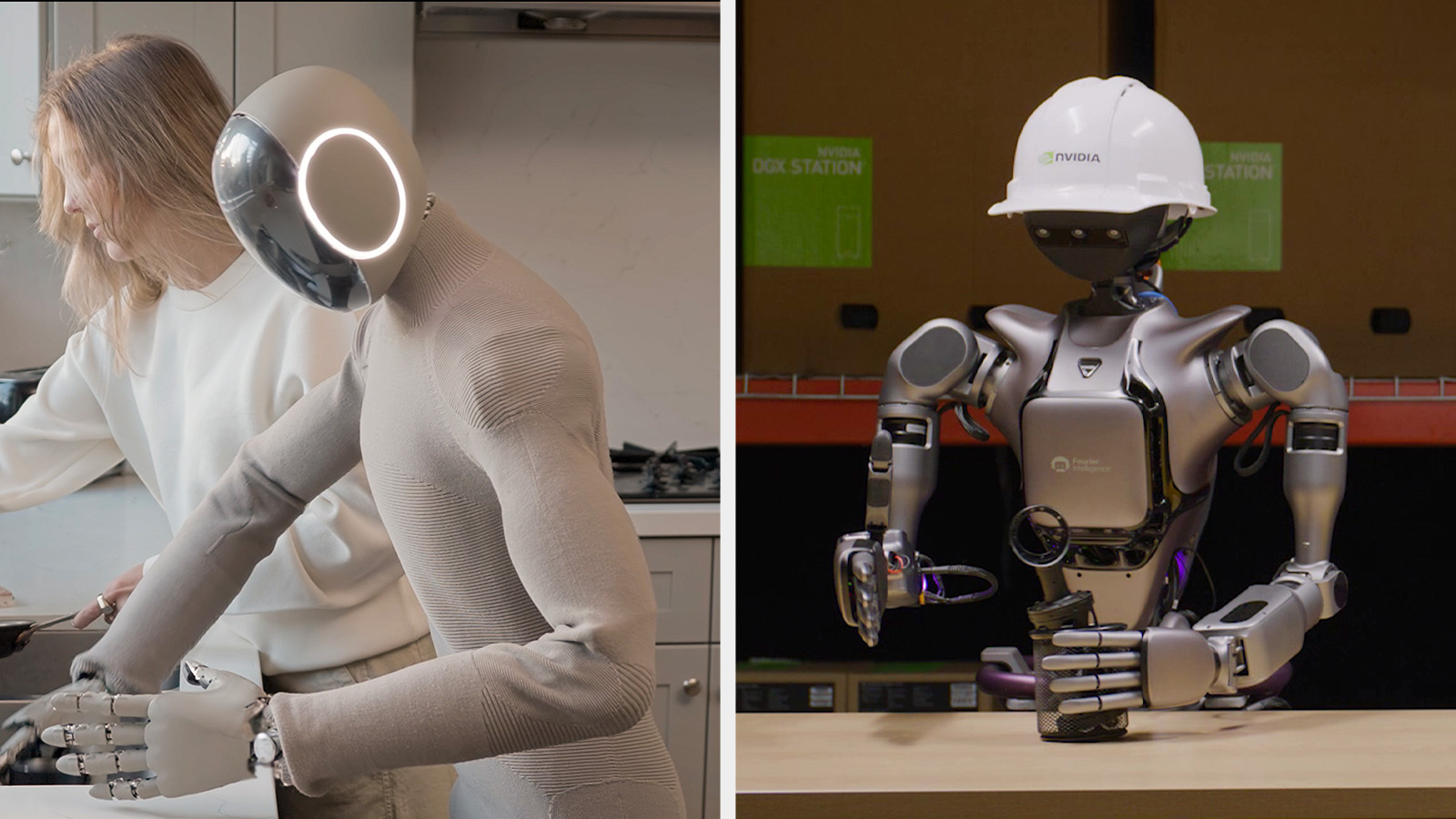
Squeezed by EV price wars, Chinese automakers including BYD, Xpeng, Seres, and Li Auto are moving into humanoid robots, leveraging a 70-percent technology overlap between autonomous driving systems and physical AI. Nearly 20 mainstream automakers globally have entered the sector, though the leap from structured road environments to unstructured physical tasks remains a significant execution challenge.
China's Automakers Are Racing to Build Humanoid Robots
The global automotive industry is shifting its focus toward a new frontier: embodied intelligence. With the electric vehicle (EV) market experiencing intense price competition and slowing retail growth, Chinese automakers are increasingly viewing humanoid robots not just as a technological experiment, but as a strategic necessity [1].
The Pivot to Embodied Intelligence
Recent developments highlight the scale of this pivot. BYD Executive Vice President Li Ke confirmed that the company is developing humanoid robots. Concurrently, Xpeng Group CEO He Xiaopeng announced he is personally taking charge of the company's robotics business. Seres has officially unveiled its humanoid robot, "XiaoSai," while Li Auto plans to release a dual-wheel robot codenamed Nexus later this year [1].
According to industry tracking, nearly 20 mainstream automakers globally, including major Chinese players like GAC and Changan, have entered the humanoid robot sector. The timeline for mass production is accelerating rapidly: Xpeng is targeting late 2026, and GAC plans small-batch production of its GoMate robot within the same timeframe [1].
Why Carmakers Are Building Robots
The transition from "four wheels" to "two legs" is driven by structural pressures within the auto industry. In the first five months of 2026, China's passenger car retail sales fell 19% year-over-year to 7.15 million units. As the automotive supply chain becomes increasingly standardized, differentiation is harder to achieve, leading to relentless price wars that compress profit margins [1].
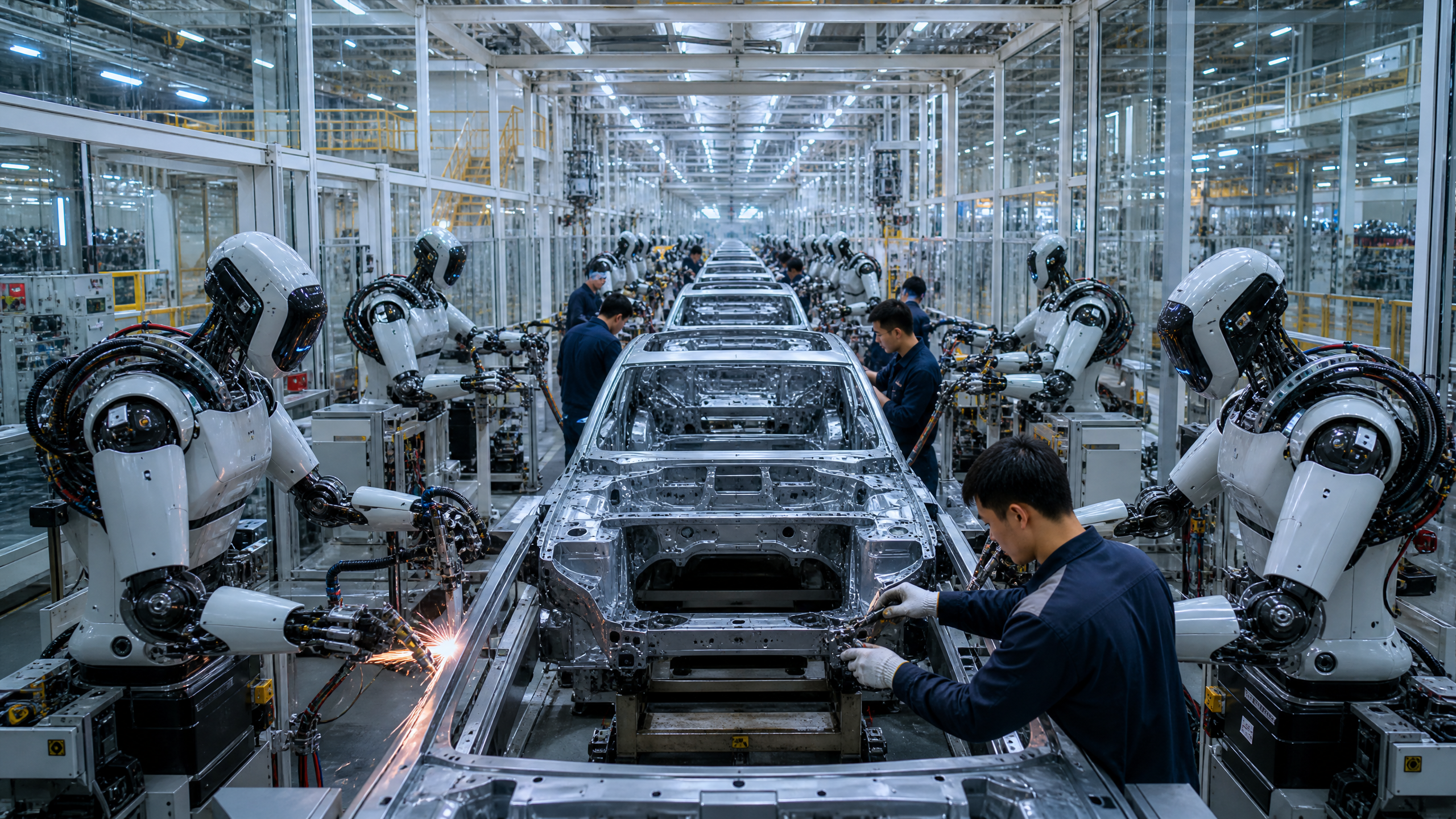
Humanoid robots offer a new narrative with massive market potential. Morgan Stanley projects the global humanoid robot market could reach $150 billion by 2030. Furthermore, automakers possess immediate, captive use cases for these robots within their own manufacturing facilities—handling tasks like material transport, labeling, and inspection. This "self-production and internal digestion" model significantly lowers the initial commercialization barriers [1].
The Shared Architecture of Cars and Robots
At a fundamental level, intelligent vehicles and humanoid robots share a core technological architecture. Both rely on a "perception-decision-execution" loop, with an estimated technology overlap exceeding 70%. The autonomous driving systems developed for cars serve as the foundational "brain" for physical AI in robots [1].
This synergy extends to the supply chain. The core components required for electric vehicles—batteries, motors, electronic controls, sensors, and chips—are largely the same components needed for robotics. Automakers can leverage their established, high-volume supply chains to drive down the cost of robot manufacturing, a crucial advantage in the race to commercialization [1].
The Execution Challenge
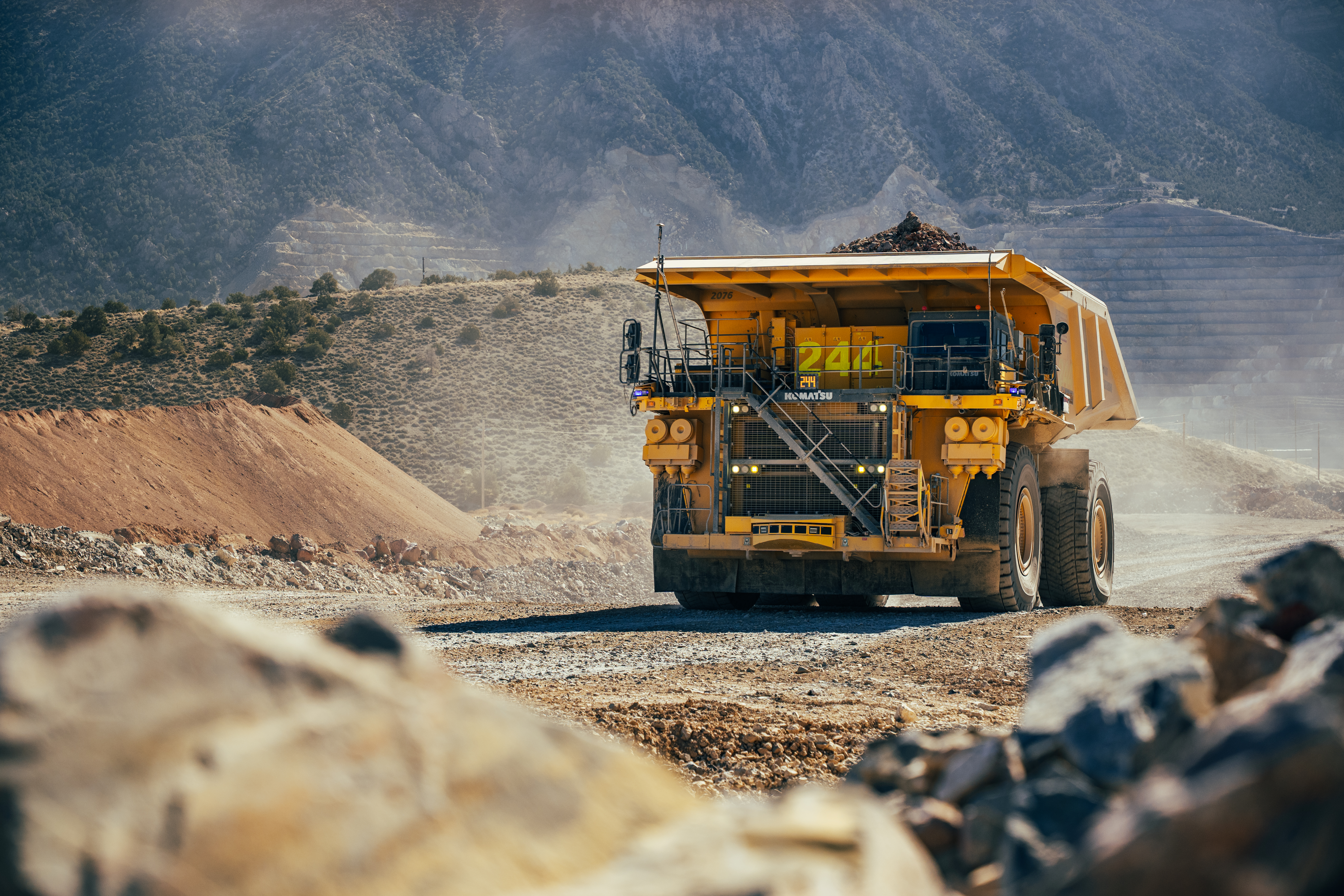
While the supply chain overlap provides a head start, the leap from autonomous driving to generalized physical AI is immense. Cars operate in relatively structured environments (roads), whereas humanoid robots must navigate and interact with the chaotic, unstructured physical world.
The true bottleneck lies in the core components that dictate fine motor control. As Tesla discovered with its Optimus program, off-the-shelf automotive actuators and sensors are often inadequate for the precise movements required of a humanoid robot. Success will depend on whether automakers can develop or source specialized, high-performance robotic joints and actuators at scale, moving beyond simple demonstrations to reliable, continuous factory operation [1]. The transition from a demo to a deployable system remains the ultimate test.
References:
[1] OFWeek Robot. "If car companies don't 'build people', will they be out?" June 24, 2026. https://robot.ofweek.com/2026-06/ART-8321203-8110-30691921.html