Amazon Killed Its Flagship Robot Arm. Its Warehouses Got More Automated Anyway.
Amazon shelved its ceiling-mounted Blue Jay robot arm and cut robotics-unit jobs in early 2026, then grew its fleet to one million robots on the strength of DeepFleet, a coordination AI, not a new machine. The lesson for buyers: fleet orchestration software and maintenance staffing matter more than a dexterous robot spec sheet.

In October 2025, Amazon showed employees its fastest-built warehouse robot yet: a ceiling-mounted, multi-armed system called Blue Jay, designed to recognize, sort, and handle several packages at once inside the same-day delivery sites racing to beat same-week shipping. By January 2026, the company had quietly stopped developing it. The reasons were unglamorous and specific: manufacturing costs that never came down, and the structural complexity of bolting a robotic arm cluster to a warehouse ceiling instead of a factory floor. On March 5, Amazon confirmed layoffs across the robotics unit that built it, at least 100 white-collar roles cut from the team responsible for designing the company's warehouse machines.
Two months later, Amazon delivered its one-millionth mobile robot to a fulfillment center in Japan and announced DeepFleet, a generative AI model that coordinates how that fleet moves. Amazon's own figure for what the software bought: a 10 percent improvement in fleet travel time across the network. Scott Dresser, the company's vice president of robotics, put the lesson in one sentence: "Rather than pursuing technology for its own sake, we're focused on solving real problems."
The most important thing Amazon's robotics division did this year wasn't building a new robot. It was killing one, and discovering the software layer mattered more than the body it moved.
A robot arm died so a traffic model could live
Blue Jay was not a failed toy. It was Amazon's attempt to solve a genuinely hard problem: a single machine that could see, grip, and sort irregular packages fast enough to compress delivery windows. That it did not survive contact with a real warehouse ceiling is a data point about robotics as a discipline, not about Amazon's execution specifically. Dexterous manipulation, the kind that lets a robot pick an unknown object out of a bin without damaging it or the shelf around it, remains one of the hardest unsolved problems in the field, humanoid-robot keynotes notwithstanding. Amazon spent real engineering years on it and still concluded the economics did not close.
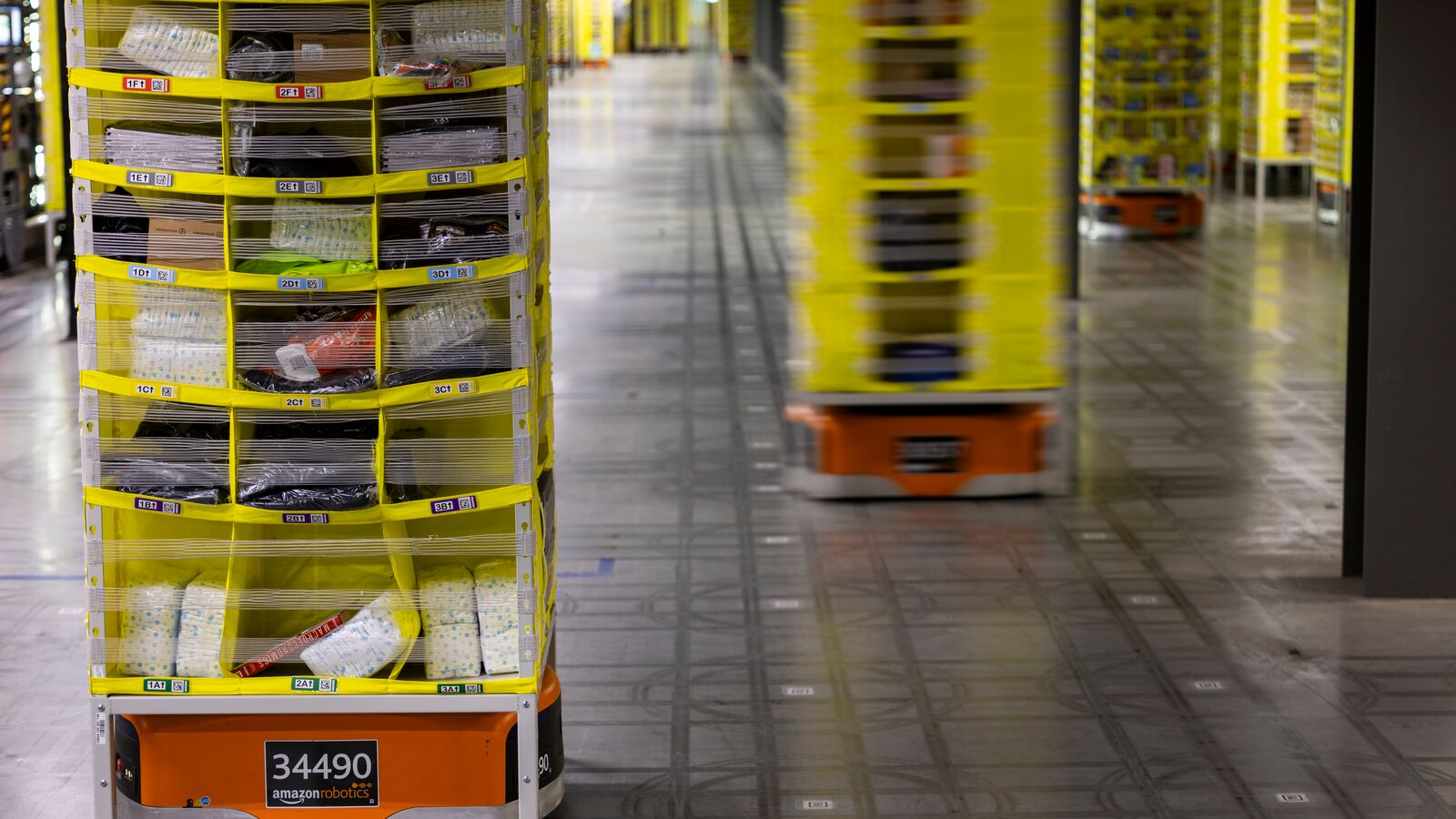
What did close, in the same calendar year, was a problem that gets almost no stage time: keeping a million wheeled robots that already exist from colliding with each other, queuing at the same intersection, or sitting idle while a neighboring zone backs up. DeepFleet is not a new robot. It is a routing and congestion model layered on top of robots Amazon has been deploying since 2012, when it acquired Kiva Systems. The company spent over a decade building the hardware fleet and only recently built the layer that tells the fleet how to move as a system rather than as a thousand independent units.
That ordering is backwards from how robotics gets marketed. Hardware ships first, draws the press photo, and gets the product name. Coordination software arrives later, has no dramatic unveiling, and solves the problem that was actually capping throughput the whole time.
The headcount story is not the one being told
Set the March layoffs against what Amazon says its newest, most automated site actually needs. The company's own account of its next-generation fulfillment center in Shreveport, Louisiana describes it requiring roughly 30 percent more employees in reliability, maintenance, and engineering roles than a conventional facility, alongside a claim of more than 700,000 employees moved through automation-related training programs company-wide.
Put the two facts next to each other and neither of the two standard robotics narratives survives intact. It is not "robots eliminated the jobs," because the most automated facility in the portfolio reportedly needs more skilled staff, not fewer. It is also not "robots created more jobs than they destroyed," because the March cuts were real and landed on the engineers who build the hardware. What actually happened is a reallocation of skill type within the same company: fewer people paid to invent new robot bodies, more people paid to keep an existing, growing fleet physically running and coordinated.
That distinction matters more than either headline version, because it tells you where the next hiring and layoff cycle in robotics is likely to land. Not on whether a company has robots. On whether it has more hardware ambition than maintenance capacity to support it.
Why the rest of the industry is reading this backwards
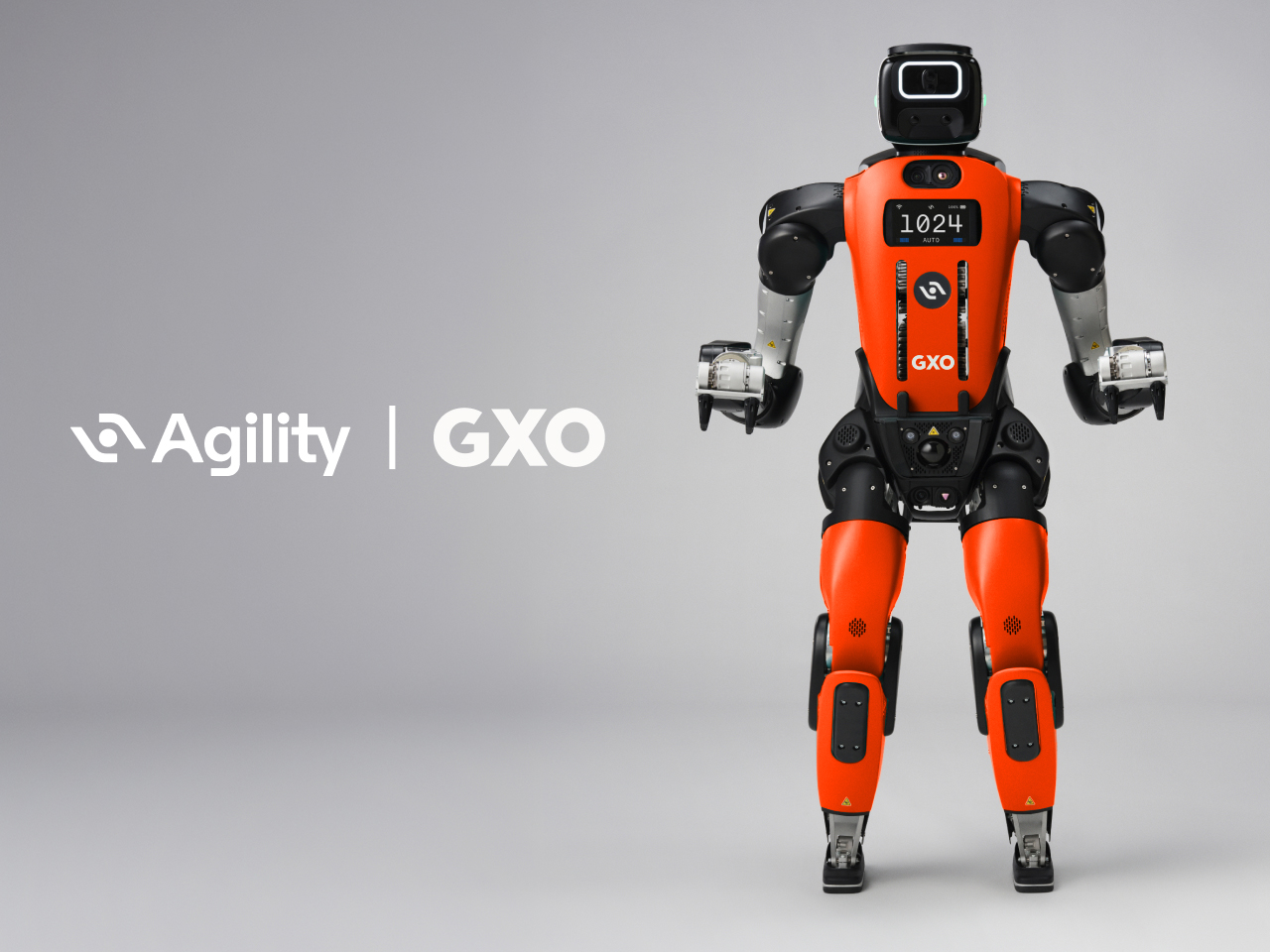
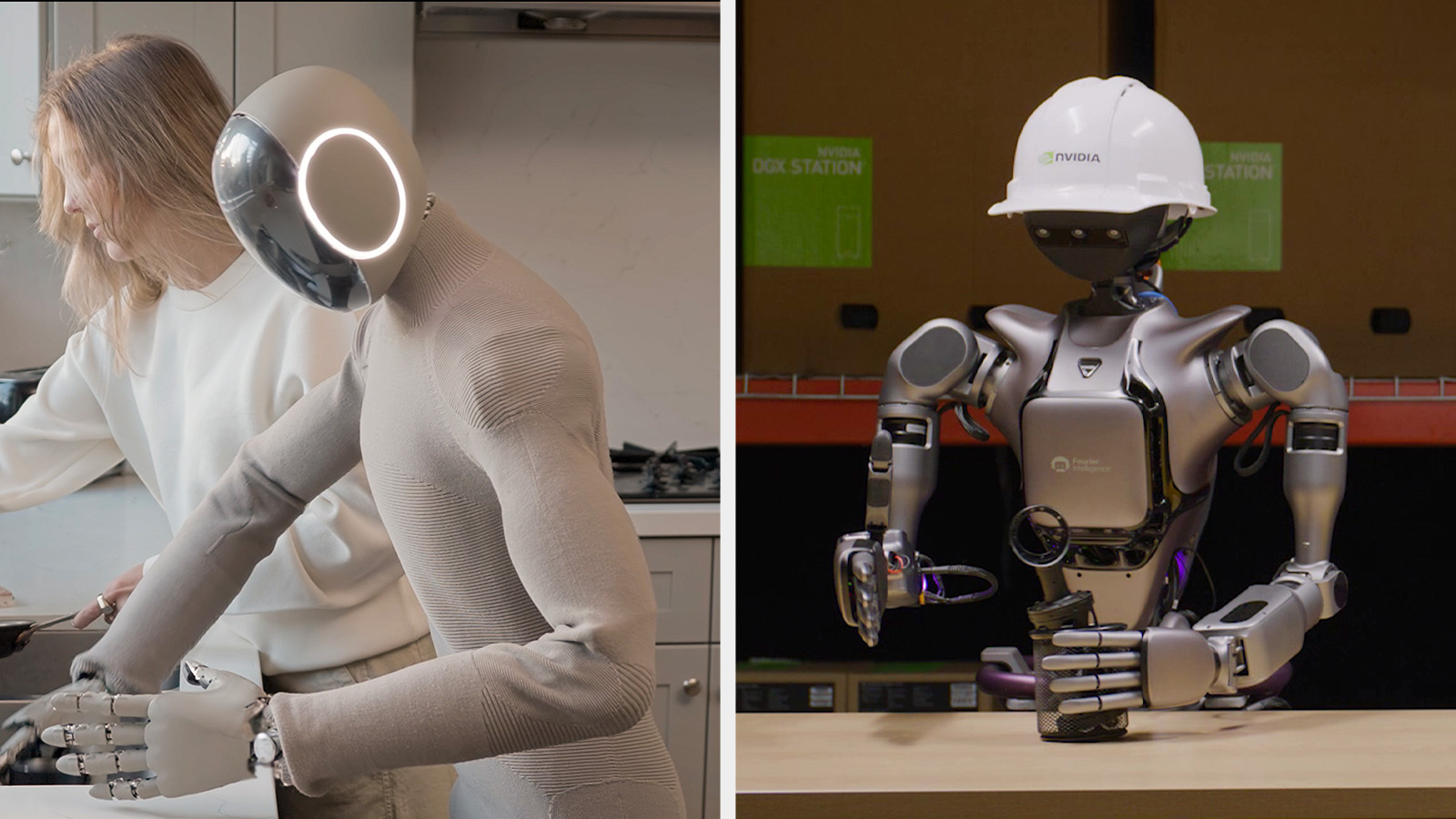
Humanoid robotics spends its funding rounds and keynote minutes on dexterous hands, bipedal balance, and whole-body control, the parts of a robot that photograph well. Amazon runs a larger fleet of deployed, revenue-relevant physical robots than any humanoid company will ship in the next several years, and its hardest, most expensive lesson this year was that a new robot body was the wrong place to keep spending. The valuable, durable asset turned out to be the software that tells a fleet of comparatively simple machines how to behave like one system instead of a thousand separate ones.
This is not an argument that hardware does not matter. Someone still has to build the chassis, the gripper, the battery that does not catch fire. It is an argument that hardware is necessary and, on its own, insufficient, and that most of the industry's attention and capital still sit on the necessary half of that sentence rather than the insufficient one.
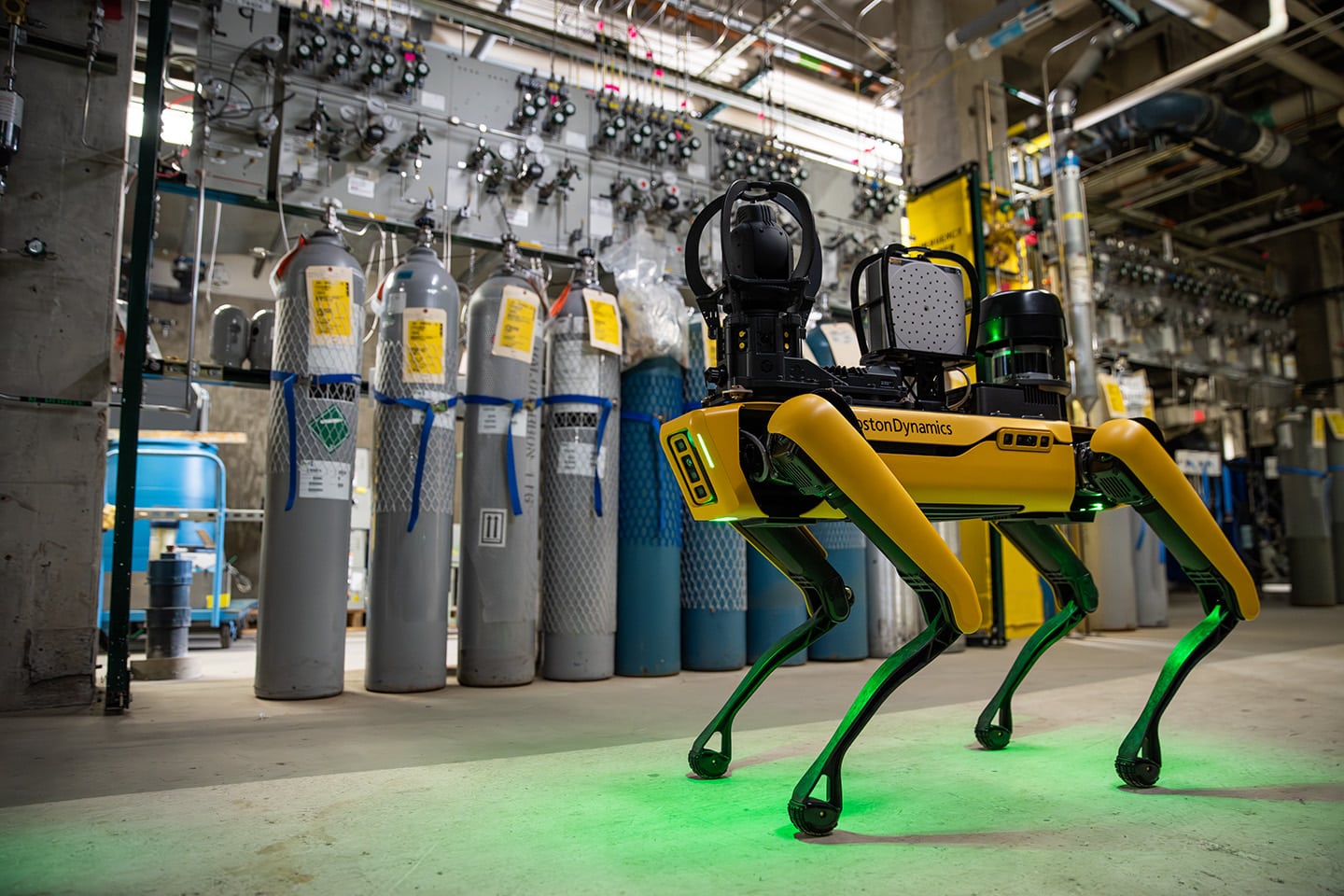
A quadruped that can climb stairs is not a fleet. A fleet is an orchestration problem first and a mechanical-engineering problem second, and Amazon's own balance sheet this year treated it that way.
What this means from a buyer's seat, not a keynote stage
Evaluating a mobile-robot fleet for a Southeast Asian warehouse operation surfaces the same bias on the buyer's side that shows up in vendor marketing. The spec sheet a procurement team asks for first is almost always about the robot: payload, speed, battery life, gripper dexterity. The question that predicts whether the deployment actually works a year in, once a facility has grown from ten robots to two hundred, is rarely asked at the same stage: who coordinates this fleet when density gets high, what does that coordination layer cost to license and maintain, and how many trained technicians does the vendor assume the buyer will need to hire.
Amazon's own March-to-May sequence is the clearest public answer available: the coordination software is not a bundled afterthought to the hardware purchase. It is closer to the actual product, and the staffing commitment behind it is not optional. A vendor that cannot answer the fleet-coordination question in detail, only the single-robot spec sheet, is selling half a system and pricing it as a whole one.
The next robotics pitch worth real scrutiny will not be the one demonstrating the most dexterous hand on a stage. It will be the one that can show, in writing, what happens to throughput when the fleet triples in size, and how many people it will take to keep that number climbing rather than collapsing into gridlock.
This analysis reflects the author's own reading of public company disclosures and reporting. It is for general information purposes only and does not constitute investment, legal, or financial advice.
Hero image credit: Amazon Robotics, from the company's own fulfillment-center robot photography.