
Oceaneering Momentum Electric ROV vs Seasats Quickfish
Oceaneering International vs Seasats — specs, price, and data-backed comparison.
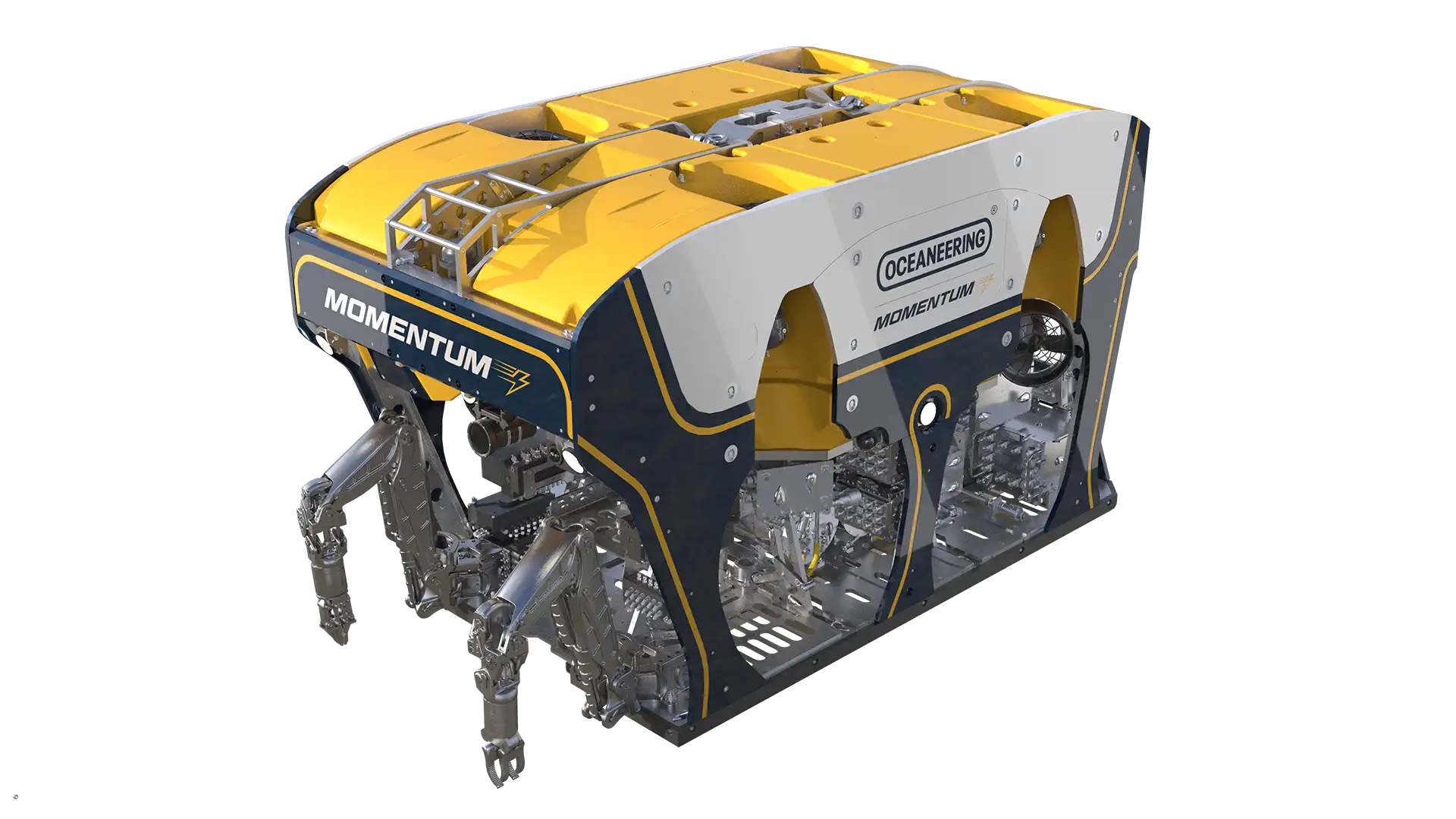
Oceaneering Momentum Electric ROV
Oceaneering International
No anunciado
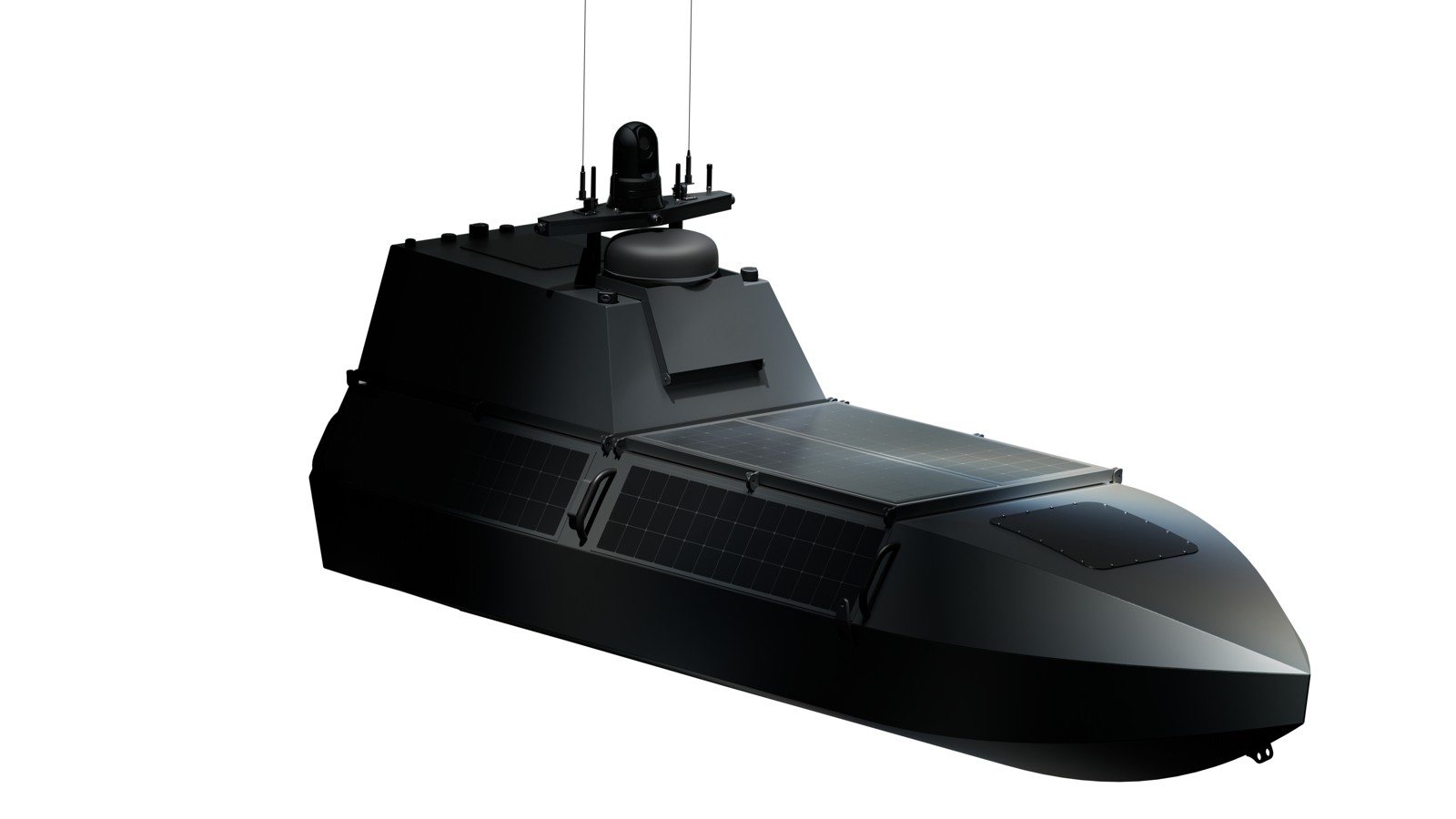
Seasats Quickfish
Seasats
No anunciado
RESUMEN RÁPIDO
- Oceaneering Momentum Electric ROV ofrece la mayor carga útil (362.9 kg frente a 204 kg).
- Seasats Quickfish ofrece la estructura más ligera (657.7 kg frente a 4,773 kg).
COMPARACIÓN DE ESPECIFICACIONES
| Oceaneering Momentum Electric ROV | Seasats Quickfish | |
|---|---|---|
| Empresa | Oceaneering International | Seasats |
| Categoría | Marine | Security |
| Precio: | No anunciado | No anunciado |
| Lanzamiento: | — | 2025 |
| Peso | 4,773 kg | 657.7 kg |
| Carga útil | 362.9 kg | 204 kg |
| Velocidad | — | 64.8 km/h |
| Autonomía de la batería | Up to 30 days subsea without maintenance | Up to 1 month on station (electric low-speed mode) |
| Conectividad | — | Satellite-linked C2; GPS jamming and spoofing resilient |
Guías de compra y precios
PREGUNTAS FRECUENTES
¿Cuál es la diferencia entre Oceaneering Momentum Electric ROV y Seasats Quickfish?
Oceaneering Momentum Electric ROV está fabricado por Oceaneering International, mientras que Seasats Quickfish está fabricado por Seasats. Oceaneering Momentum Electric ROV pertenece a la categoría «marine», mientras que Seasats Quickfish pertenece a la categoría «security».
¿Cuál tiene mayor carga útil, Oceaneering Momentum Electric ROV o Seasats Quickfish?
Oceaneering Momentum Electric ROV tiene la mayor carga útil, con 362.9 kg, frente a 204 kg de Seasats Quickfish.