
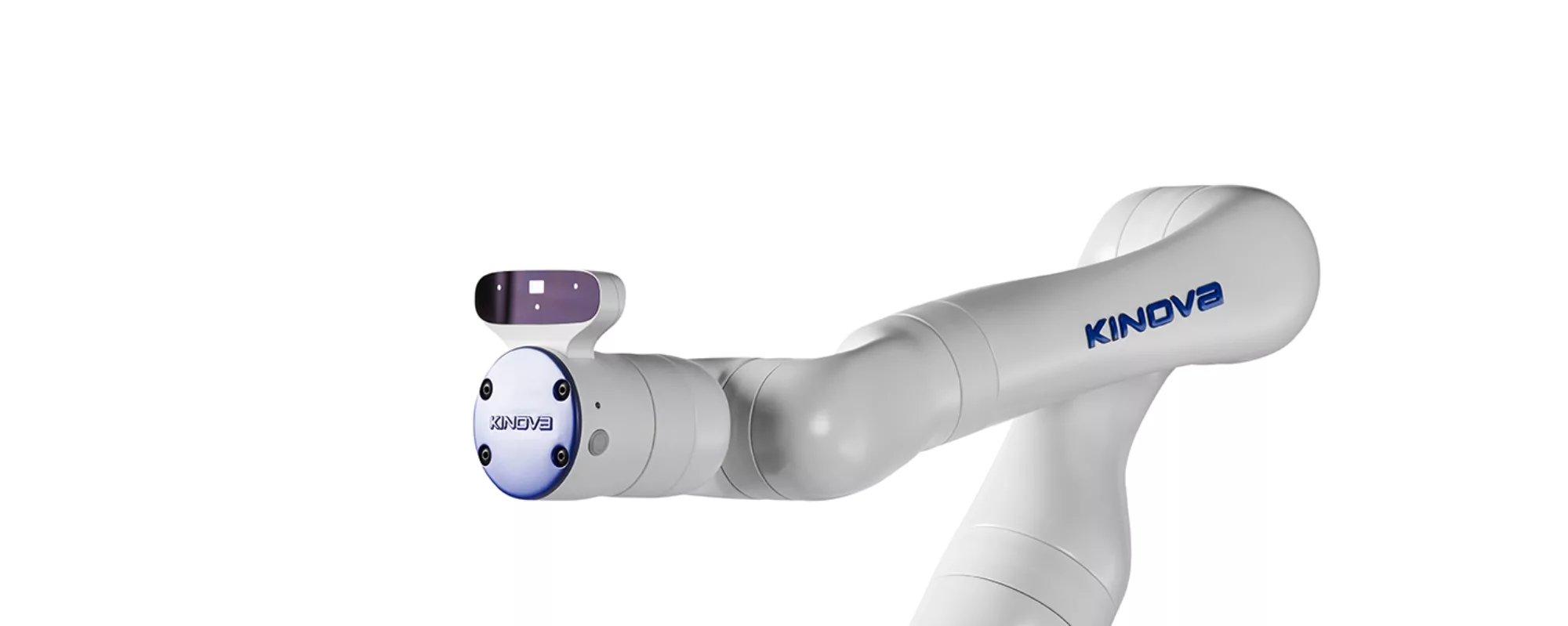
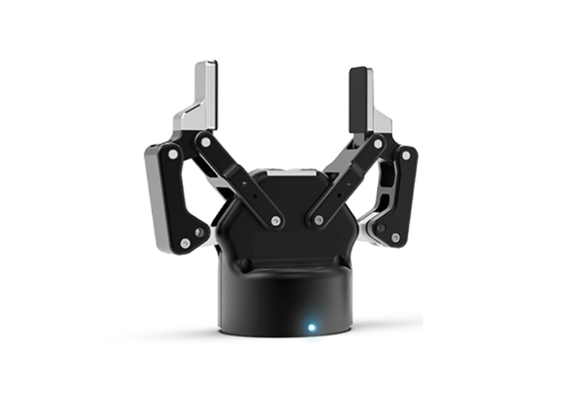
Kinova Gen3 robotic arm (7-axis) vs Unitree Z1 AIR
Kinova vs Unitree Robotics — specs, price, and data-backed comparison.
RESUMEN RÁPIDO
- Kinova Gen3 robotic arm (7-axis) ofrece más grados de libertad (7 frente a 6).
- Unitree Z1 AIR ofrece la estructura más ligera (4.3 kg frente a 8.2 kg).
- Unitree Z1 AIR es la plataforma más reciente (2,021 frente a 2,019).
COMPARACIÓN DE ESPECIFICACIONES
| Kinova Gen3 robotic arm (7-axis) | Unitree Z1 AIR | |
|---|---|---|
| Empresa | Kinova | Unitree Robotics |
| Categoría | Robotic-Arms | Robotic-Arms |
| Precio: | No anunciado | No anunciado |
| Lanzamiento: | 2019 | 2021 |
| Peso | 8.2 kg | 4.3 kg |
| Carga útil | 4 kg | — |
| Alcance | 902 mm | — |
| Grados de libertad | 7 | 6 |
| Velocidad | 1.8 km/h | — |
Guías de compra y precios
PREGUNTAS FRECUENTES
¿Cuál es la diferencia entre Kinova Gen3 robotic arm (7-axis) y Unitree Z1 AIR?
Kinova Gen3 robotic arm (7-axis) está fabricado por Kinova, mientras que Unitree Z1 AIR está fabricado por Unitree Robotics. Ambos pertenecen a la categoría «robotic-arms», por lo que las diferencias se reducen al precio y las especificaciones.