
Embodied Tien Kung 3.0 vs KUAVO 5-W MAX
Beijing Humanoid Robot Innovation Center vs Leju Robotics — specs, price, and data-backed comparison.
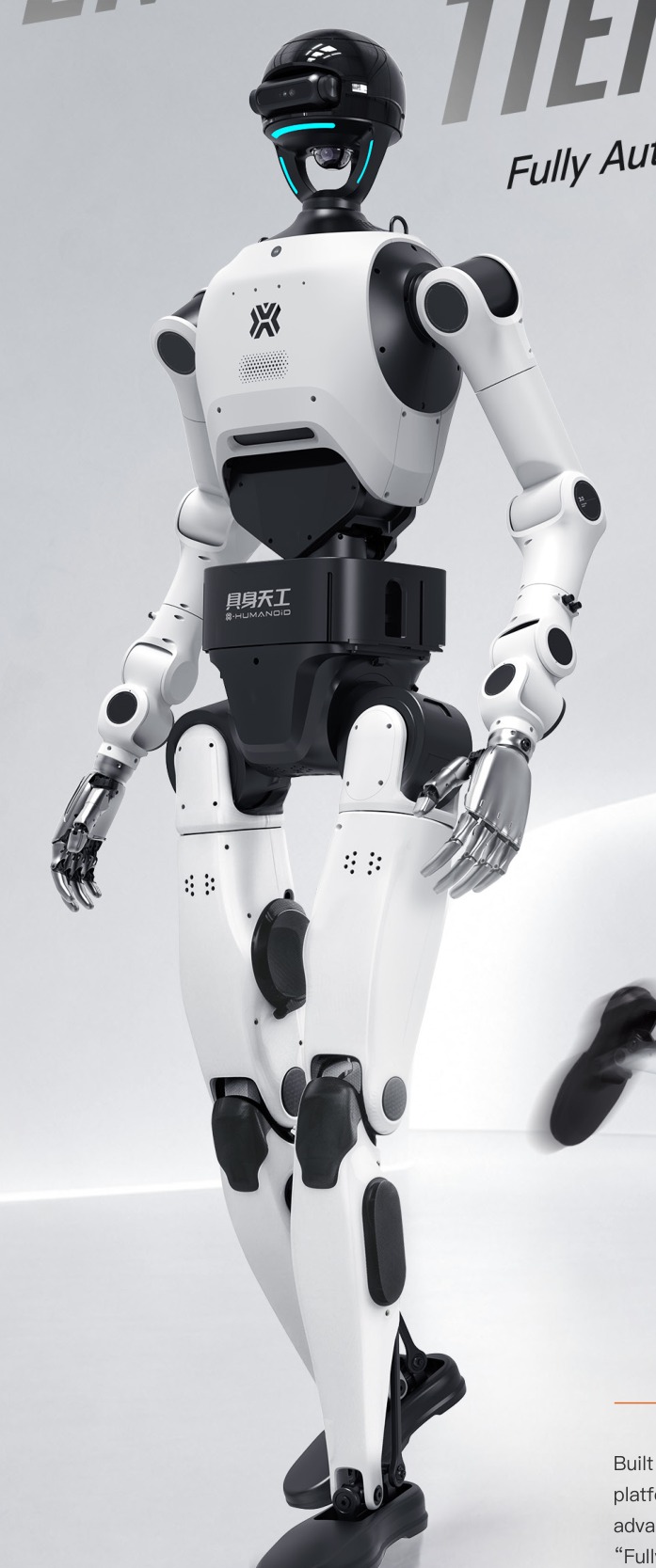
Embodied Tien Kung 3.0
Beijing Humanoid Robot Innovation Center
No anunciado
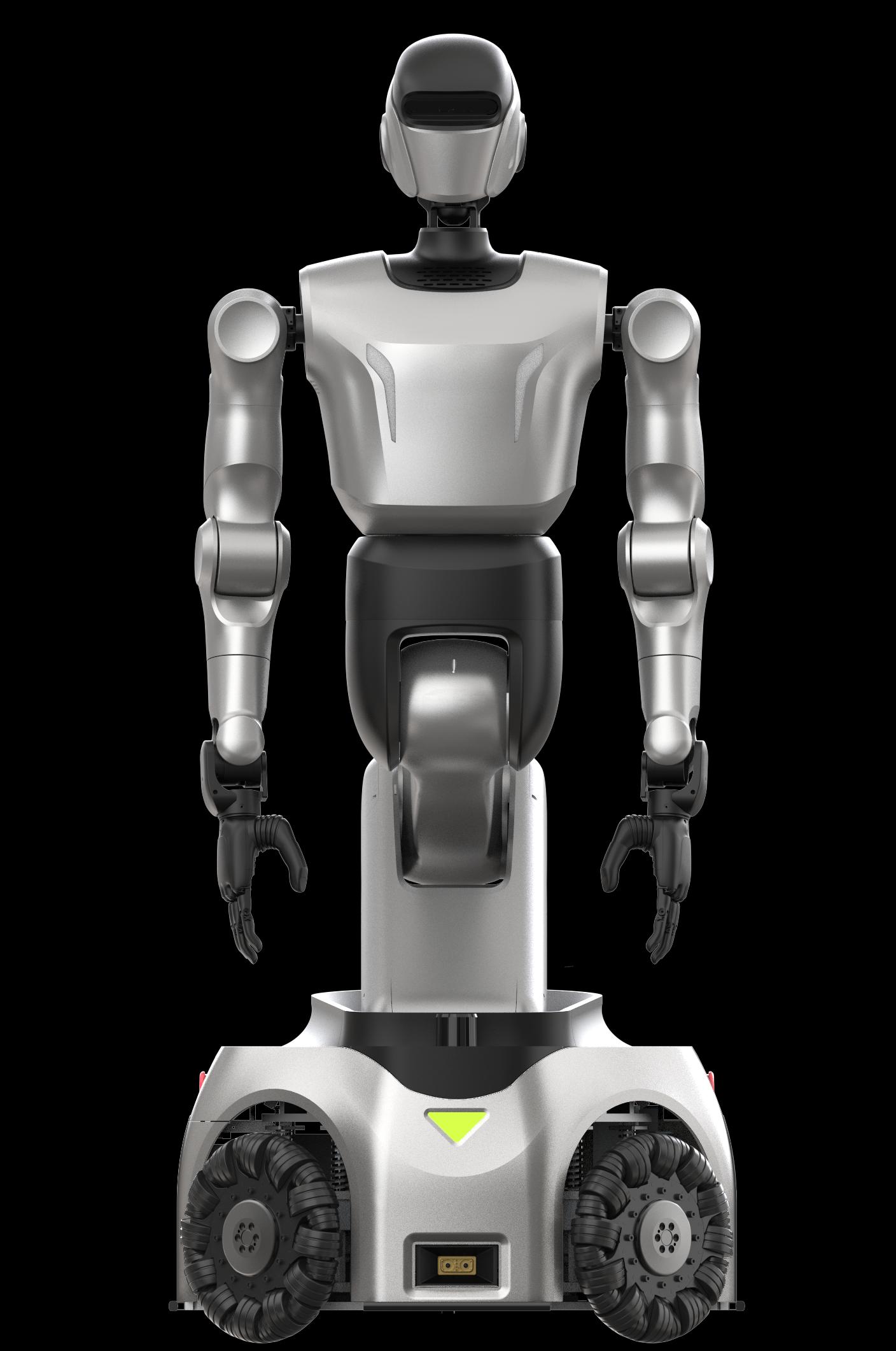
KUAVO 5-W MAX
Leju Robotics
No anunciado
RESUMEN RÁPIDO
- Embodied Tien Kung 3.0 ofrece la mayor carga útil (8 kg frente a 5 kg).
- KUAVO 5-W MAX ofrece la mayor autonomía (360 min frente a 120 min).
- Embodied Tien Kung 3.0 ofrece más grados de libertad (43 frente a 36).
- Embodied Tien Kung 3.0 ofrece la estructura más ligera (64.5 kg frente a 245 kg).
COMPARACIÓN DE ESPECIFICACIONES
| Embodied Tien Kung 3.0 | KUAVO 5-W MAX | |
|---|---|---|
| Empresa | Beijing Humanoid Robot Innovation Center | Leju Robotics |
| Categoría | Humanoid | Humanoid |
| Precio: | No anunciado | No anunciado |
| Peso | 64.5 kg | 245 kg |
| Carga útil | 8 kg | 5 kg |
| Alcance | — | 790 mm |
| Grados de libertad | 43 | 36 |
| Velocidad | 6.01 km/h | — |
| Autonomía de la batería | 120 min | 360 min |
| Conectividad | Full-body CAN FD / EtherCAT bus; Wi-Fi 6E, Bluetooth, Ethernet, 5G | — |
| Software / IA | Wise Kaiwu general embodied-AI platform; proprietary high-speed middleware, ROS 2 compatible | Taskor industrial embodied software platform: graphical zero-code skill composition, multi-machine scheduling, state retrieval and batch upgrades, MES integration and a continuously iterated standard skill library; laser SLAM navigation |
Guías de compra y precios
PREGUNTAS FRECUENTES
¿Cuál es la diferencia entre Embodied Tien Kung 3.0 y KUAVO 5-W MAX?
Embodied Tien Kung 3.0 está fabricado por Beijing Humanoid Robot Innovation Center, mientras que KUAVO 5-W MAX está fabricado por Leju Robotics. Ambos pertenecen a la categoría «humanoid», por lo que las diferencias se reducen al precio y las especificaciones.
¿Cuál tiene mayor carga útil, Embodied Tien Kung 3.0 o KUAVO 5-W MAX?
Embodied Tien Kung 3.0 tiene la mayor carga útil, con 8 kg, frente a 5 kg de KUAVO 5-W MAX.
¿Cuál tiene mayor duración de batería, Embodied Tien Kung 3.0 o KUAVO 5-W MAX?
KUAVO 5-W MAX tiene la mayor autonomía, con unos 360 minutos, frente a unos 120 minutos de Embodied Tien Kung 3.0.