
DUS CV2000 vs Teledyne Gavia Osprey AUV
Demcon unmanned systems vs Teledyne Marine — specs, price, and data-backed comparison.
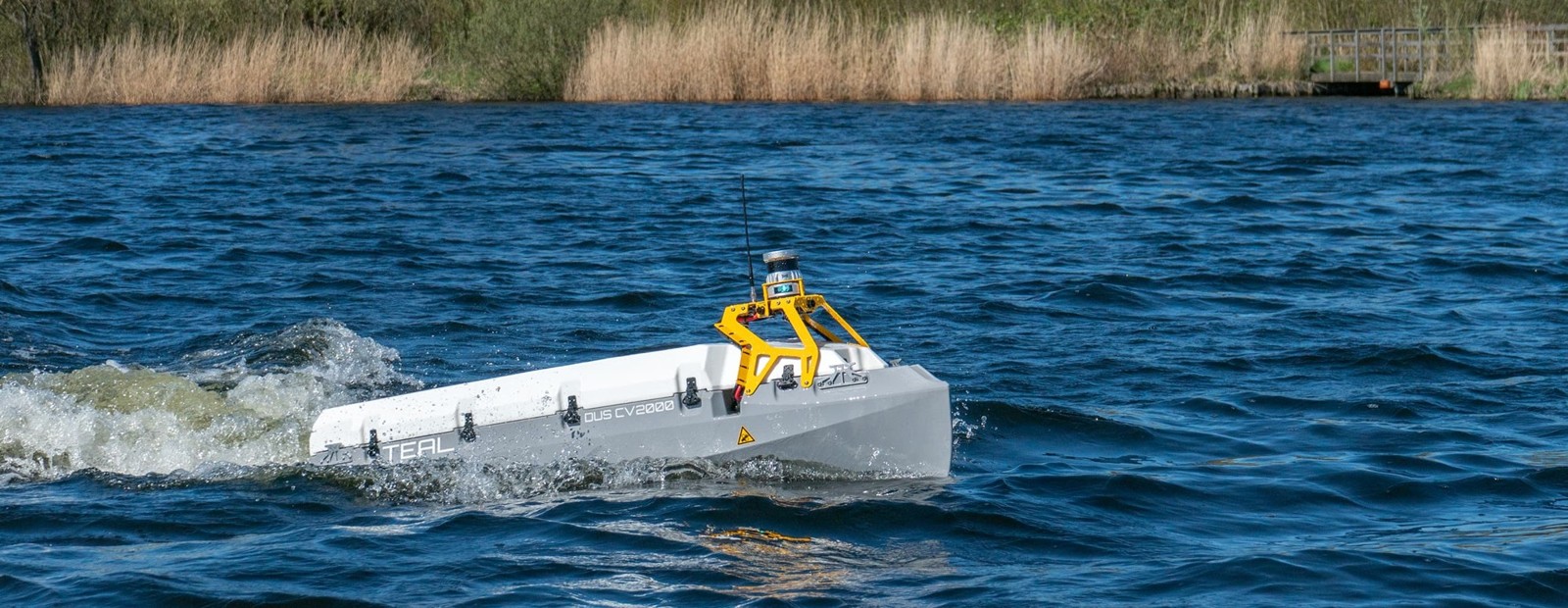
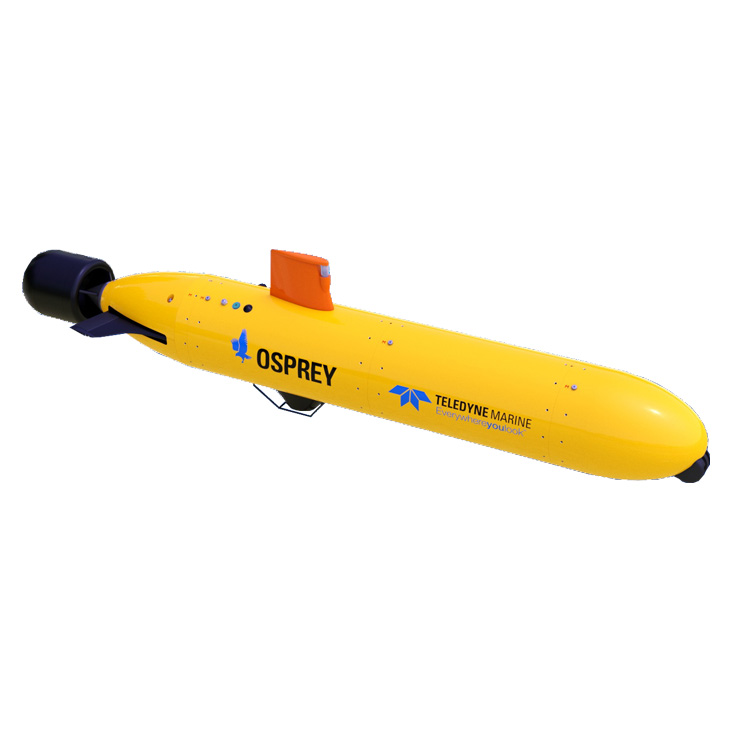
RESUMEN RÁPIDO
- Teledyne Gavia Osprey AUV ofrece la mayor velocidad máxima (9.3 km/h frente a 8.33 km/h).
- Teledyne Gavia Osprey AUV ofrece la mayor autonomía (1,440 min frente a 600 min).
- Teledyne Gavia Osprey AUV ofrece la batería de mayor capacidad (4.4 kWh frente a 3.5 kWh).
- DUS CV2000 ofrece la estructura más ligera (100 kg frente a 400 kg).
COMPARACIÓN DE ESPECIFICACIONES
| DUS CV2000 | Teledyne Gavia Osprey AUV | |
|---|---|---|
| Empresa | Demcon unmanned systems | Teledyne Marine |
| Categoría | Mobile-Robots | Marine |
| Precio: | No anunciado | No anunciado |
| Peso | 100 kg | 400 kg |
| Velocidad | 8.33 km/h | 9.3 km/h |
| Autonomía de la batería | 600 min | 1,440 min |
| Conectividad | Dual 4G/5G LTE, Wi-Fi 6 LOS link, AIS, VHF/UHF (VoIP) | — |
| Software / IA | DEMCON Unmanned Mission Software, DEMCON Advanced Control System (DAC) autopilot, DEMCON Autonomy System; patented USV Dynamic Positioning | — |
Guías de compra y precios
PREGUNTAS FRECUENTES
¿Cuál es la diferencia entre DUS CV2000 y Teledyne Gavia Osprey AUV?
DUS CV2000 está fabricado por Demcon unmanned systems, mientras que Teledyne Gavia Osprey AUV está fabricado por Teledyne Marine. DUS CV2000 pertenece a la categoría «mobile-robots», mientras que Teledyne Gavia Osprey AUV pertenece a la categoría «marine».
¿Cuál es más rápido, DUS CV2000 o Teledyne Gavia Osprey AUV?
Teledyne Gavia Osprey AUV alcanza la mayor velocidad máxima, con 9.3 km/h, frente a 8.33 km/h de DUS CV2000.
¿Cuál tiene mayor duración de batería, DUS CV2000 o Teledyne Gavia Osprey AUV?
Teledyne Gavia Osprey AUV tiene la mayor autonomía, con unos 1,440 minutos, frente a unos 600 minutos de DUS CV2000.